11 Downing Street is one of the most recognisable addresses in British politics, standing beside the world-famous 10 Downing Street in the heart of Westminster, London. While many people associate Downing Street with the Prime Minister, 11 Downing Street has its own remarkable history and plays a vital role in the operation of the UK Government. The building has witnessed centuries of political decisions, economic planning, and national leadership.
Although it receives less public attention than its neighbouring residence, 11 Downing Street remains an essential part of Britain’s political landscape. It serves as the official residence of the Chancellor of the Exchequer in most administrations and has become a symbol of the country’s financial leadership. This guide explores its history, purpose, fascinating facts, and the people who have called it home.
What Is 11 Downing Street?
11 Downing Street is an official government residence located on the famous Downing Street in Westminster, London. It is traditionally occupied by the Chancellor of the Exchequer, the Cabinet minister responsible for managing the United Kingdom’s economy and public finances. The address forms part of a secure government complex that also includes the Prime Minister’s residence and several important government offices.
Despite its historic appearance, the building continues to support modern government operations. Meetings, policy discussions, and official events regularly take place within its walls. As one of the country’s most important political addresses, it reflects both Britain’s rich heritage and its evolving system of government, making it a subject of interest for historians, visitors, and political enthusiasts alike.
The History of 11 Downing Street
The history of 11 Downing Street dates back to the late seventeenth century, when Sir George Downing developed the street during the reign of King Charles II. Originally constructed as elegant townhouses, the properties gradually became associated with government officials because of their convenient location near the Palace of Westminster and Whitehall.
Over the centuries, the building has undergone extensive renovations to preserve its historic character while meeting the practical needs of modern government. Numerous Chancellors have lived within its walls, each contributing to the story of Britain’s financial and political development. The residence stands today as an enduring reminder of the country’s constitutional history and administrative tradition.
Who Lives at 11 Downing Street?
Traditionally, the official resident of the building is the Chancellor of the Exchequer. However, living arrangements have occasionally changed depending on the preferences of the Prime Minister and Chancellor. Some Prime Ministers have chosen to live in the larger accommodation available at Number 11, while the Chancellor has occupied Number 10 instead.
These flexible arrangements demonstrate that practicality often outweighs tradition within the government estate. Families, security considerations, and personal circumstances have all influenced who occupies the residence at different times. Regardless of who lives there, the property remains closely linked with Britain’s economic leadership and governmental responsibilities.
Purpose and Role of 11 Downing Street
The primary purpose of 11 Downing Street is to provide both an official residence and a working environment for one of the UK’s most senior Cabinet ministers. The Chancellor of the Exchequer oversees taxation, public spending, government borrowing, and the preparation of the annual Budget, making the residence an important centre for economic decision-making.
Many discussions that shape Britain’s financial future begin within the offices connected to this historic address. While much of the Chancellor’s official work is carried out at HM Treasury, the residence remains an important venue for private meetings, official receptions, and strategic planning. Its role highlights the close connection between political leadership and economic management.
Architecture and Interesting Facts
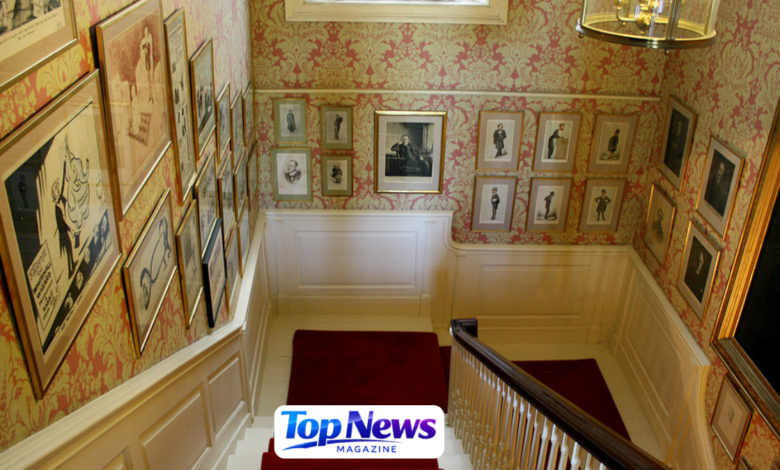
The architecture of the building reflects the elegant Georgian style found throughout historic Westminster. Behind its familiar black brick façade lies a surprisingly spacious interior that has been adapted to suit modern living while preserving many original features. Historic staircases, traditional fireplaces, and period rooms continue to showcase the building’s architectural heritage.
One fascinating fact is that the numbering of Downing Street can be misleading because alterations over the centuries changed the layout of the original houses. Another interesting detail is that the residence shares close connections with neighbouring government buildings through secure internal passages. These unique characteristics add to the mystery and historical importance of one of Britain’s best-known addresses.
11 Downing Street in Modern British Politics
In modern politics, the residence continues to play an important symbolic and practical role. Every Chancellor who lives there becomes responsible for managing the nation’s finances during periods of economic growth, uncertainty, or reform. Important policy discussions often take place before major announcements are delivered to Parliament.
Media attention frequently focuses on the building during Budget Day, leadership elections, and major political events. Photographs of ministers entering or leaving the residence often accompany reports about taxation, government spending, and economic policy. As a result, the address has become closely associated with Britain’s financial direction and political stability.
Visiting 11 Downing Street
Although many visitors to London hope to see 11 Downing Street, public access is highly restricted because of strict security measures. Security gates protect the entrance to Downing Street, meaning tourists cannot freely walk along the road. However, visitors can still view the famous gates and surrounding government buildings from nearby public areas.
The surrounding Westminster district offers plenty of attractions for those interested in British history and politics. Landmarks such as the Houses of Parliament, Westminster Abbey, Whitehall, and St James’s Park are all within walking distance. Exploring this historic area provides valuable context for understanding the importance of Downing Street within the UK’s political system.
Conclusion
11 Downing Street is far more than a historic London address. It represents the centre of Britain’s financial leadership and has played a significant role in shaping national policy for centuries. From its fascinating history to its continuing importance in government, the residence remains an essential part of the United Kingdom’s political identity.
Whether you are interested in British history, constitutional government, or London’s famous landmarks, learning about 11 Downing Street provides valuable insight into how the country is governed. Its unique blend of heritage, political significance, and architectural character ensures it remains one of Britain’s most respected and recognisable government residences.
Frequently Asked Questions
What is 11 Downing Street?
11 Downing Street is the official London residence traditionally occupied by the Chancellor of the Exchequer.
Who usually lives at 11 Downing Street?
The Chancellor of the Exchequer usually lives there, although arrangements sometimes change.
Is 11 Downing Street next to 10 Downing Street?
Yes, it is located directly beside 10 Downing Street within the secure government complex.
Can tourists visit 11 Downing Street?
No, public access is restricted because of government security measures.
Why is 11 Downing Street important?
It serves as the residence of one of the UK’s most senior ministers and is closely linked with national economic policy.
What is the difference between 10 and 11 Downing Street?
10 Downing Street is the Prime Minister’s official residence, while 11 Downing Street is traditionally the residence of the Chancellor of the Exchequer.
Also Read: bishop of chelmsford