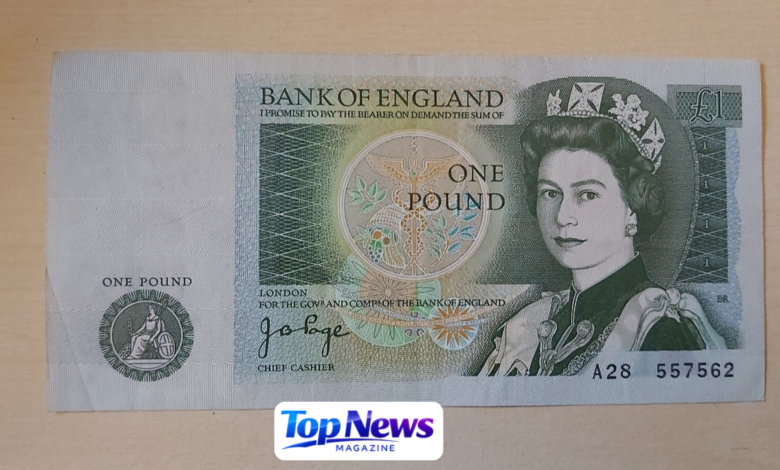
The one pound note is an intriguing part of British currency history, offering collectors a fascinating connection with earlier generations of everyday spending. Although the paper £1 note is no longer used as ordinary currency in Britain, surviving examples can still attract attention because of their age, design, signatures, serial numbers and condition. For collectors, each note can provide a small window into the financial and social history of the United Kingdom.
Interest in old British banknotes has also grown among people who discover examples in family belongings, collections or inherited possessions. However, an old note is not automatically valuable simply because it has survived for many years. Its potential collector value depends on several details, including rarity, condition, issue, serial number and demand. Understanding these factors is essential for anyone hoping to identify, collect or value historic £1 notes.
History of the One Pound Note in Britain
The history of the one pound note is closely connected with the development of British banking and paper currency. For generations, paper £1 notes provided a convenient way to make payments without carrying large quantities of coins. Different periods brought changes in printing methods, artistic styles, signatures and security features, making surviving examples useful records of Britain’s changing financial landscape.
The Bank of England issued £1 notes during important periods of British history, and their appearance changed as monetary requirements developed. Eventually, the paper note was withdrawn from everyday circulation and replaced by the pound coin. This change reflected practical considerations, particularly the greater durability of coins. Today, historic £1 notes remain interesting to collectors who appreciate their historical background and distinctive designs.
One Pound Note Designs and Historical Features
One pound notes appeared in a range of designs throughout their history, giving collectors many details to examine. Depending on the issue, a note may feature portraits, decorative borders, official One Pound Note signatures, serial numbers, illustrations and other distinctive elements. These characteristics can help researchers determine which period a particular note belongs to and whether it represents a notable issue.
The visual appearance of a historic note can also reveal something about the era in which it was produced. Changes in typography, artwork and official design reflect evolving approaches to British banknote production. Collectors often enjoy comparing different examples to discover subtle differences. However, appearance alone should not be used to determine value, because rarity and condition are equally important considerations.
What Makes a One Pound Note Rare?
Rarity is one of the most important factors in determining collector interest, but it is frequently misunderstood. A note may be decades old yet remain relatively common, while another issue from a similar period may be much harder to find. Limited production, unusual varieties, particular serial-number ranges and surviving quantities can all influence how scarce an example is today.
Condition can make rarity even more significant. Large numbers of banknotes may originally have been printed, but many were heavily circulated, damaged or discarded. Consequently, a scarce issue in excellent condition may be considerably more desirable than an example showing extensive wear. Collectors therefore look beyond age and consider the complete combination of scarcity, preservation, authenticity and market demand.
One Pound Note Value and Collector Prices
The value of a one pound note depends on several characteristics rather than a universal price. Important considerations include the exact issue, condition, rarity, serial number, design, historical importance and current collector demand. A common circulated example may have only modest collector interest, whereas an unusual or scarce specimen can attract considerably more attention from specialist buyers.
Anyone researching prices should also distinguish between an advertised asking price and a confirmed selling price. Online marketplaces can contain listings with very high prices that do not necessarily reflect what collectors are willing to pay. Comparing similar notes, examining genuine sales and consulting reputable specialists can provide a more realistic understanding of potential market value.
How to Identify an Old One Pound Note
Identifying an old note should begin with a careful examination of its visible information. Look for serial numbers, signatures, portraits, dates, design elements and any details indicating the issuing authority. These features can help narrow down the specific issue and provide a starting point for comparing the note with recognised British banknote references and collecting resources.
It is important not to rely on general appearance when identifying a note. Two examples can look remarkably similar while belonging to different issues with different levels of collector interest. Taking clear photographs of both sides and recording every visible feature can make further research easier. If authenticity is uncertain, seeking an opinion from a reputable banknote dealer or specialist is a sensible step.
Condition and Grading of Old £1 Notes
Condition plays a major role in the collectability of historic paper money. Banknotes that have been folded, creased, stained, torn or heavily handled may have less appeal than examples that remain crisp and well preserved. Even when two notes are from exactly the same issue, differences in physical condition can create a significant difference in collector interest and potential market value.
Collectors use various condition descriptions to communicate the state of a banknote, ranging from heavily circulated examples to extremely well-preserved and uncirculated specimens. Professional grading can sometimes be worthwhile for particularly scarce or valuable notes. Owners should avoid washing, ironing, cutting or chemically treating an old note, as attempts to improve its appearance may cause permanent damage.
Serial Numbers and Printing Errors
Serial numbers provide another interesting area for banknote collectors. Certain sequences may attract attention, particularly unusually low numbers, repeated patterns or memorable combinations. However, a visually interesting serial number does not automatically make a note extremely valuable. Its significance needs to be considered alongside the issue, condition, rarity and level of demand among collectors.
Genuine printing errors can also increase interest when they are unusual and clearly attributable to the production process. Collectors should distinguish authentic manufacturing errors from damage caused by circulation. A tear, stain or misalignment created after the note was issued is not necessarily a valuable printing error. Careful comparison with reliable references is therefore essential before claiming that a note is an error variety.
Starting a One Pound Note Collection
Starting a collection can be an enjoyable hobby without requiring a large initial investment. Beginners may choose to collect notes from particular periods, focus on different designs or search for interesting serial numbers. Establishing a clear collecting theme can make the process more rewarding because it provides a purpose for each purchase and encourages deeper research into British currency history.
Good organisation is another important part of collecting. Keep records of where each note was purchased, its identifying details, condition and purchase price. Store individual notes in suitable protective holders designed for banknotes and minimise unnecessary handling. Over time, these records can become just as useful as the collection itself, especially when comparing examples or preparing notes for valuation or sale.
Where to Find Historic £1 Notes
Historic banknotes can be found through specialist dealers, established auction houses, collectors’ events and reputable online marketplaces. Each option has advantages, depending on whether the buyer is looking for an affordable example or a particularly scarce issue. Established sellers often provide useful descriptions and photographs, helping collectors understand exactly what they are considering.
Online purchases require additional care because photographs can sometimes hide folds, stains or other condition problems. Buyers should examine descriptions closely and check seller reputation before making a purchase. If an advertisement claims that an ordinary-looking note is exceptionally rare, independent research is worthwhile. Comparing the issue with recognised references can help prevent collectors from paying an inflated price based on unsupported claims.
Selling an Old One Pound Note
Before selling an old note, it is sensible to identify it accurately and assess its condition. Clear photographs showing both sides, serial numbers, signatures and important design details can help potential buyers understand what is being offered. If the note appears scarce or unusual, obtaining more than one opinion can help establish a reasonable expectation of its market value.
Different selling routes can suit different circumstances. A specialist dealer may offer convenience, while a recognised auction can introduce a rare note to multiple collectors. Online marketplaces provide another option but require accurate descriptions and careful communication. Regardless of the method chosen, sellers should avoid exaggerated claims and clearly describe condition, provenance and identifying features.
One Pound Note and the £1 Coin
The paper £1 note and the £1 coin represent different stages in the development of British currency. The coin eventually became the standard everyday form of the pound, offering greater durability than a paper note that could become worn through frequent handling. This transition changed the appearance of ordinary British money while leaving historic paper notes behind as collectible objects.
For collectors, the distinction is important because an old paper £1 note is not simply another form of today’s £1 currency. Its significance may now come from its historical or numismatic qualities. Whether a withdrawn note can be exchanged depends on the issuing authority and applicable arrangements, so collectors should check official guidance rather than assuming that an old note remains usable in shops.
Protecting and Preserving Historic Banknotes
Proper preservation can help maintain the condition of a historic collection. Banknotes should generally be kept away from excessive moisture, heat, strong sunlight and unnecessary pressure. Purpose-made protective holders can reduce handling and provide a safer environment for individual notes. Collectors should also avoid repeatedly taking valuable examples in and out of storage simply to examine them.
Trying to make an old note look newer can actually reduce its appeal. Washing, ironing, aggressive cleaning or chemical treatment can alter the paper and remove evidence of its original condition. For collectors, originality is usually preferable to artificial improvement. The safest approach is to protect the note as it is, document its condition and handle it carefully whenever inspection is necessary.
Common Mistakes When Valuing Old £1 Notes
One common mistake is assuming that every old £1 note is rare and valuable. Age alone does not determine collector prices, and many historic notes were produced in substantial quantities. Another mistake is relying on the highest online asking price as evidence of value. A listing represents what someone wants to receive, not necessarily what a collector has actually paid.
Another frequent error is overlooking condition, serial numbers or the exact issue. Small identifying details can make two similar-looking notes quite different from a collecting perspective. Owners should also avoid making physical changes in an attempt to improve appearance. Careful research, comparisons with similar examples and independent specialist advice are generally safer approaches to valuation.
Tips for New Banknote Collectors
New collectors can make faster progress by learning before spending heavily. Understanding basic terminology, recognising common design features and learning how condition affects desirability can help beginners make informed choices. Starting with affordable examples is often useful because it provides an opportunity to develop practical knowledge without taking unnecessary financial risks.
Patience is particularly valuable when collecting British banknotes. A seller may describe a note as rare, but collectors should verify such claims independently. Keep records, compare prices and study established references before buying. Over time, knowledge becomes one of the most valuable parts of collecting because it helps distinguish genuinely interesting notes from ordinary examples presented with exaggerated descriptions.
Conclusion
The one pound note represents an important chapter in Britain’s monetary history and remains a fascinating subject for collectors. Its designs, signatures, serial numbers and physical condition can reveal details about the period in which it was produced. While some examples may have limited financial value, others can attract stronger interest because of scarcity, unusual features or exceptional preservation.
Anyone discovering an old £1 note should therefore avoid making a quick judgement about its worth. Accurate identification and careful research are essential before buying, selling or valuing a historic banknote. Whether the note becomes part of a growing collection or simply serves as an interesting piece of family history, understanding its story can make it far more meaningful.
Frequently Asked Questions
Are old £1 notes worth anything?
Some old £1 notes have collector value, but their potential worth depends on factors such as rarity, condition, issue, serial number and current demand.
How much can an old £1 note be worth?
There is no universal price because different issues can have very different levels of collector interest and market value.
What makes an old £1 note rare?
Limited issues, unusual varieties, scarce serial-number ranges and examples surviving in excellent condition can all contribute to rarity.
Can I still spend an old paper £1 note?
Withdrawn paper £1 notes are generally not accepted as ordinary current payment, so their status should be checked with the relevant issuing authority.
Where can I get an old £1 note valued?
A reputable banknote dealer, specialist auction house or experienced collector can potentially provide useful guidance on identification and valuation.
Should I clean an old £1 note?
No. Cleaning, washing or ironing can damage the paper and potentially reduce the note’s authenticity and collector appeal.
Also Read: du cane court

