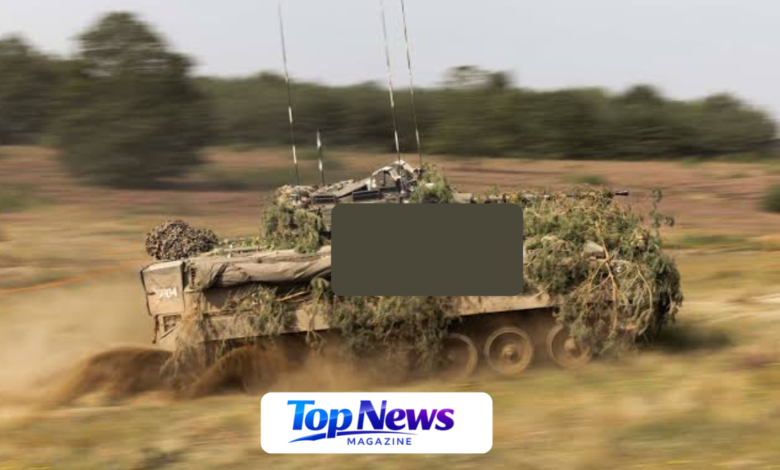
The Warrior Armoured Vehicle is one of the most important British military vehicles developed to support infantry forces during modern combat operations. Designed as an Infantry Fighting Vehicle (IFV), it provides a combination of mobility, protection, and firepower that allows soldiers to operate effectively in challenging battlefield conditions. Since entering service, it has become a recognised symbol of British armoured engineering and has played a major role in military operations around the world.
The development of the Warrior Armoured Vehicle was driven by the need for a reliable and powerful platform that could transport infantry troops while also engaging enemy forces. Unlike basic transport vehicles, it was designed to fight alongside armoured units, providing direct support to soldiers during dangerous missions. Its strong design, advanced features, and operational history have made it a significant part of the British Army’s vehicle fleet.
History and Development of the British Armoured Fighting Vehicle
The origins of the Warrior Armoured Vehicle can be traced back to the Cold War period when the British Army required a modern replacement for older infantry transport systems. Military planners wanted a vehicle capable of protecting soldiers from battlefield threats while allowing infantry units to move quickly alongside tanks and other armoured formations. This requirement led to the creation of a new generation of British Infantry Fighting Vehicles.
After extensive development and testing, the vehicle entered British Army service in the late 1980s. It was designed with a focus on reliability, battlefield flexibility, and long-term operational use. Over the years, the Warrior Armoured Vehicle proved its value in different environments, from European landscapes to harsh desert conditions, showing that it could adapt to changing military requirements.
The vehicle’s introduction represented a major improvement in British ground warfare capability. It offered better protection and greater combat power compared with previous infantry carriers. The Warrior became an essential part of armoured infantry units and helped establish a new standard for how soldiers could be transported and supported during military operations.
Design Features and Engineering of the Warrior Armoured Vehicle
The design of the Warrior Armoured Vehicle focuses on achieving a balance between armour protection, mobility, and combat effectiveness. Its armoured hull is built to provide safety for both crew members and infantry soldiers, allowing them to move through dangerous areas with increased confidence. The vehicle’s internal arrangement was carefully planned to ensure efficient troop movement and battlefield operation.
One of the most impressive aspects of the Warrior is its ability to combine the functions of a troop carrier and a combat vehicle. It can transport infantry soldiers while providing weapon support against enemy positions. This capability makes it different from ordinary armoured personnel carriers because it can actively participate in combat rather than simply moving troops from one location to another.
The engineering behind the vehicle also allows it to operate across various terrains. Whether travelling through difficult countryside, urban areas, or challenging battlefield environments, the Warrior Armoured Vehicle delivers dependable performance. Its strong suspension, durable structure, and powerful engine system contribute to its reputation as a reliable military machine.
Specifications and Performance Capabilities
The technical specifications of the Warrior Armoured Vehicle demonstrate why it has remained valuable for decades. The vehicle is powered by a strong engine that provides the speed and reliability required for military operations. Its design allows it to carry troops and equipment while maintaining the mobility needed to support fast-moving battlefield strategies.
The vehicle normally operates with a trained crew responsible for driving, commanding, and controlling its weapon systems. It can also carry infantry soldiers who can quickly deploy when required. This combination of crew operation and troop transport capability allows military units to respond effectively to changing situations during combat missions.
The performance of the Warrior Armoured Vehicle is based on more than just speed and power. Its success comes from the way different systems work together, including protection, communication equipment, and battlefield awareness technology. These features allow it to support infantry operations while maintaining a high level of survivability in hostile environments.
Weapons, Armour and Defensive Capabilities
The Warrior Armoured Vehicle was developed with strong defensive and offensive capabilities to support soldiers during combat. Its weapon systems allow it to engage enemy targets while providing protection for infantry troops inside. This combination of firepower and protection makes it an effective platform for supporting ground forces in complex military situations.
Armour protection is one of the vehicle’s most important features. The protective structure helps defend against battlefield dangers, including small arms fire and other threats commonly faced during military operations. Additional defensive systems, such as smoke equipment and communication technology, improve its ability to survive and operate effectively in combat zones.
The vehicle’s weapons and defensive features have been improved throughout its service life. Modern warfare continues to change, and military vehicles must adapt to new challenges. The Warrior Armoured Vehicle has received upgrades designed to improve its effectiveness and maintain its ability to support soldiers on the battlefield.
Operational History and Military Role
Throughout its service history, the Warrior Armoured Vehicle has been deployed in several important military operations. It played a significant role during the Gulf War, where British forces relied on its mobility and combat capabilities. It was also used during operations in Bosnia, Iraq, and Afghanistan, proving its ability to operate in different climates and mission environments.
The vehicle’s role has extended beyond direct combat. It has supported infantry movements, provided battlefield protection, and helped commanders maintain operational flexibility. Soldiers benefited from the vehicle’s ability to move safely through dangerous areas while offering additional fire support when required.
The long operational history of the Warrior Armoured Vehicle demonstrates its importance within the British Army. Its performance in various conflicts helped build confidence among military personnel and showed how effective armoured infantry vehicles could be in modern warfare.
Upgrades and Future of the Warrior Armoured Vehicle
As military technology developed, the Warrior Armoured Vehicle required improvements to remain effective against modern threats. Upgrade programmes focused on enhancing communication systems, protection levels, weapon technology, and battlefield information systems. These improvements were designed to extend the vehicle’s service life and improve its ability to operate in modern combat conditions.
The Warrior Capability Sustainment Programme was created to modernise the vehicle and improve its performance. Although replacing older military vehicles can be challenging, upgrades allowed the Warrior to continue serving as an important part of British armoured forces for many years.
While newer vehicles are now being introduced, the legacy of the Warrior Armoured Vehicle remains significant. It represents decades of British military innovation and engineering excellence. Its contribution to infantry operations has influenced the development of future armoured vehicles and battlefield strategies.
Conclusion
The Warrior Armoured Vehicle has played a major role in British military history through its combination of strength, reliability, and versatility. From its development during the Cold War to its involvement in modern conflicts, it has provided soldiers with essential protection and battlefield support. Its design represents a successful approach to creating a vehicle that can transport troops while actively participating in combat.Although newer armoured platforms are gradually replacing it, the Warrior remains an important symbol of British defence technology. The experience gained from its decades of service has helped shape future military vehicle designs. The Warrior Armoured Vehicle will continue to be remembered as one of the most influential British Infantry Fighting Vehicles ever created.
Frequently Asked Questions
What is the Warrior Armoured Vehicle?
The Warrior Armoured Vehicle is a British Infantry Fighting Vehicle designed to transport infantry soldiers while providing protection and direct battlefield support.
When did the Warrior Armoured Vehicle enter service?
The vehicle entered service with the British Army during the late 1980s after years of development and testing.
What weapons does the Warrior Armoured Vehicle use?
The vehicle uses a main cannon system along with additional weapons and defensive equipment to support infantry operations.
How many soldiers can the Warrior Armoured Vehicle carry?
The vehicle can carry a crew along with a group of infantry soldiers for battlefield deployment.
Has the Warrior Armoured Vehicle been used in combat?
Yes, the vehicle has been used in several military operations, including conflicts in the Gulf, Iraq, and Afghanistan.
Why was the Warrior Armoured Vehicle important to the British Army?
It provided soldiers with improved protection, mobility, and firepower, making infantry operations more effective.
Is the Warrior Armoured Vehicle still in British Army service?
The vehicle is gradually being replaced by newer armoured platforms, but it remains an important part of British military history.
What makes the Warrior Armoured Vehicle different from other IFVs?
Its combination of strong armour, troop-carrying ability, mobility, and combat capability made it one of the most successful British IFVs.
Also Read: bronllys

