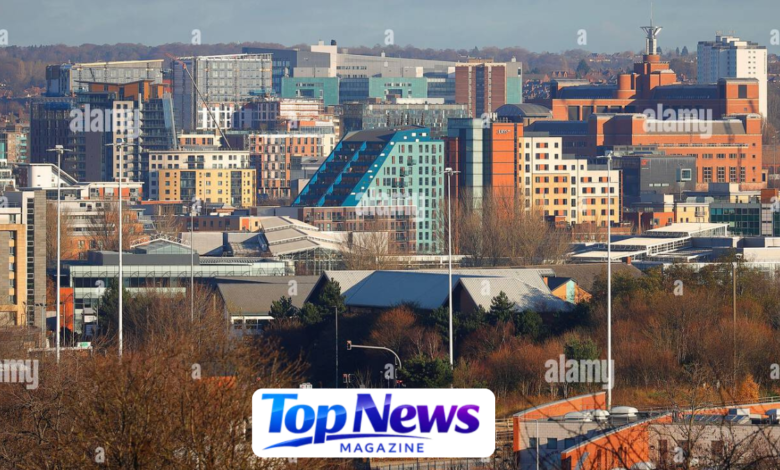
Burmantofts is one of the oldest and most fascinating districts in Leeds, West Yorkshire. Situated just east of the city centre, Burmantofts has played an important role in the development of Leeds for centuries. While many people recognise the area for its historic pottery industry, it is also known for its diverse community, excellent transport links, and ongoing regeneration. Today, Burmantofts successfully combines its industrial heritage with modern living, making it an interesting place to visit, live, and learn about.
Whether you are researching local history, planning a visit, or considering moving to the area, Burmantofts offers something for everyone. From historic landmarks and cultural heritage to parks, schools, and convenient amenities, the neighbourhood has evolved into a welcoming part of Leeds. This guide explores the history, location, attractions, and everyday life that continue to shape Burmantofts, giving readers a complete understanding of this remarkable community.
Where Is Burmantofts?
Burmantofts is located immediately east of Leeds city centre in West Yorkshire, making it one of the city’s most accessible neighbourhoods. It borders several well-known districts and enjoys excellent road connections, allowing residents and visitors to travel easily throughout Leeds and beyond. Frequent bus services and nearby railway stations further improve accessibility, making commuting straightforward for people working or studying in the city.
The convenient location of Burmantofts is one of its greatest strengths. Residents enjoy quick access to shopping centres, educational institutions, healthcare facilities, restaurants, and entertainment venues while still benefiting from a close-knit neighbourhood atmosphere. The area’s balance between urban convenience and community living continues to attract families, professionals, and students looking for an affordable location close to central Leeds.
The History of Burmantofts
The history of Burmantofts dates back many centuries, although the area experienced its greatest transformation during the Industrial Revolution. Originally consisting of agricultural land and small settlements, Burmantofts gradually developed as Leeds expanded into one of Britain’s leading industrial cities. Factories, workshops, and residential housing appeared rapidly, attracting workers from across the country and contributing to the area’s growing population.
Perhaps the most significant chapter in the history of Burmantofts is its internationally recognised pottery industry. During the nineteenth century, local manufacturers produced decorative ceramics, glazed tiles, and architectural terracotta that became highly sought after throughout Britain and overseas. Many public buildings still display these beautiful ceramic products today, demonstrating the remarkable craftsmanship that made Burmantofts famous around the world.
Burmantofts Pottery and Industrial Heritage
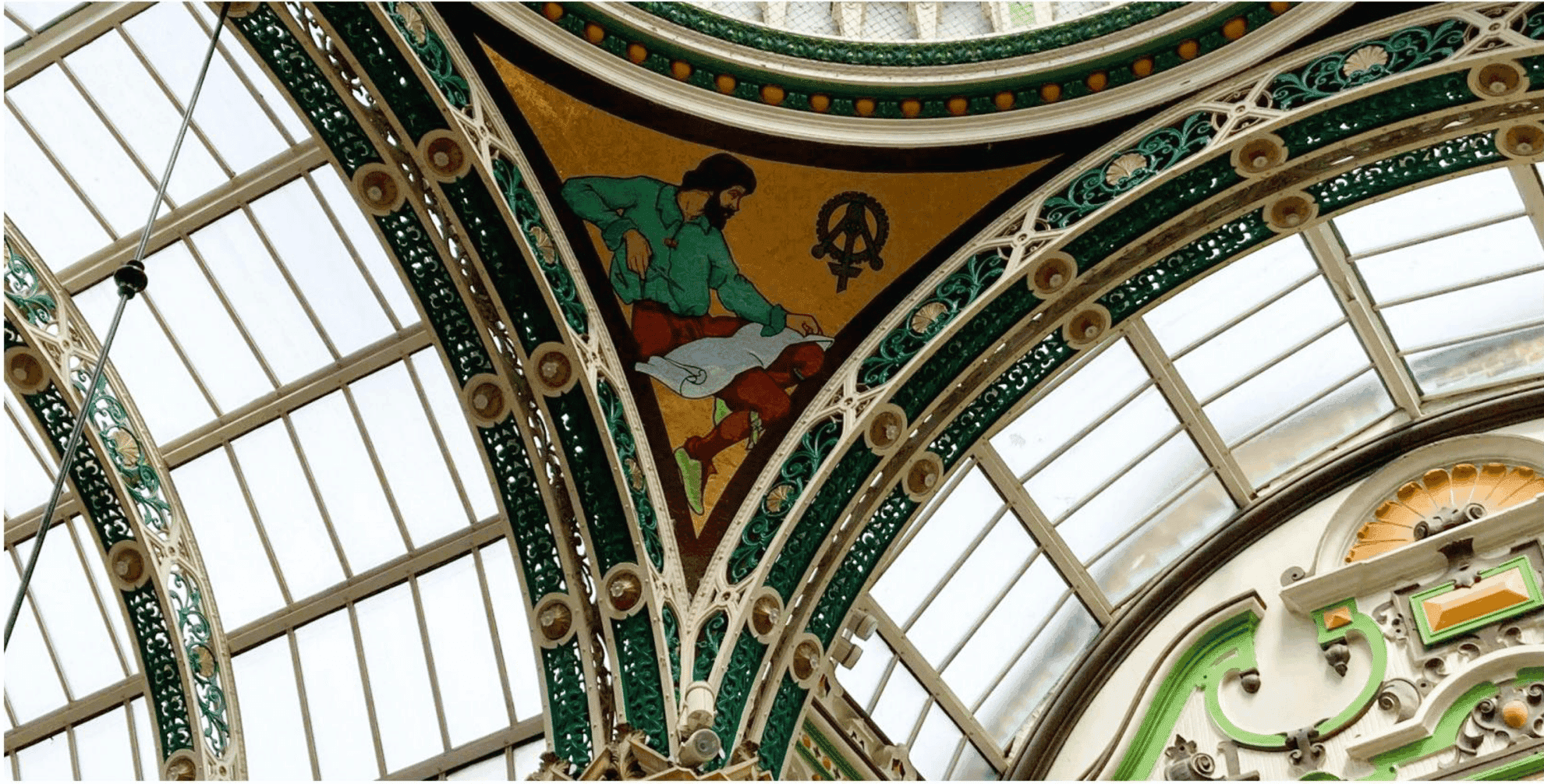
The pottery industry remains one of the defining features of Burmantofts and represents an important part of Britain’s industrial heritage. Local factories produced colourful glazed bricks, decorative tiles, fireplaces, vases, and architectural ornaments that decorated churches, railway stations, schools, and civic buildings. These products were admired for their durability, artistic quality, and innovative manufacturing techniques, helping establish Burmantofts as a leading centre for ceramic production.
Although large-scale pottery manufacturing has disappeared, the legacy of Burmantofts continues through preserved buildings, museum collections, and restoration projects. Historians and architecture enthusiasts regularly study the area’s contribution to Victorian design and industrial innovation. The pottery produced here remains highly collectible, ensuring that Burmantofts continues to be recognised as one of the most significant ceramic-producing districts in British history.
Living in Burmantofts Today
Today, Burmantofts is a thriving residential neighbourhood that welcomes people from a wide range of backgrounds. The area offers a mixture of traditional terraced houses, modern apartments, and recently developed homes, providing options for families, professionals, students, and retirees alike. Ongoing regeneration projects have enhanced public spaces and housing quality, making the neighbourhood an increasingly desirable place to live while preserving its historical character.
Residents of Burmantofts benefit from a variety of local amenities that support everyday life. Schools, healthcare centres, supermarkets, community facilities, and recreational spaces are all within easy reach. The strong sense of community is reflected in local events, neighbourhood organisations, and initiatives that encourage residents to work together to improve the area. These qualities make Burmantofts a welcoming and practical place to call home.
Things to Do and Places to Visit in Burmantofts
Although Burmantofts is primarily known as a residential district, it offers several interesting places to explore. Visitors can enjoy local parks, historic streets, and public spaces that showcase the area’s rich heritage. Walking around the neighbourhood provides opportunities to appreciate traditional architecture while learning about the district’s industrial past and its contribution to the development of Leeds.
One of the greatest advantages of Burmantofts is its close proximity to Leeds city centre. Within a short journey, visitors can explore museums, art galleries, shopping destinations, theatres, restaurants, and cultural attractions. This convenient location allows residents and tourists to enjoy the peaceful atmosphere of Burmantofts while taking advantage of everything that one of the UK’s largest cities has to offer.
Transport, Connectivity and Accessibility
Excellent transport links are one of the reasons why Burmantofts remains a popular location. Frequent bus services connect the area with Leeds city centre and neighbouring districts throughout the day. Major roads also provide convenient access for motorists travelling across West Yorkshire, making daily commuting efficient for both work and leisure.
Walking and cycling have become increasingly popular thanks to ongoing improvements in local infrastructure. Dedicated footpaths and cycle routes encourage sustainable travel while helping residents reach nearby schools, workplaces, parks, and shopping areas safely. The combination of reliable public transport and convenient road connections ensures that Burmantofts remains well connected to the wider Leeds region.
Burmantofts Today and Future Development
In recent years, Burmantofts has benefited from significant investment aimed at improving housing, public spaces, and community facilities. Regeneration programmes have introduced modern residential developments while carefully preserving the area’s historical identity. These improvements have enhanced the quality of life for existing residents and attracted new people looking for a well-connected neighbourhood close to Leeds city centre.
Future development plans continue to focus on creating sustainable growth within Burmantofts. Investment in infrastructure, community services, and green spaces is expected to strengthen the local economy while supporting long-term regeneration. By balancing modern development with heritage conservation, Burmantofts is well positioned to remain one of Leeds’ most interesting and desirable neighbourhoods for years to come.
Conclusion
Burmantofts is much more than a historic district within Leeds. Its remarkable industrial heritage, world-famous pottery production, convenient location, and welcoming community combine to create a neighbourhood with lasting appeal. Visitors can discover fascinating history, while residents benefit from excellent amenities, transport links, and continued investment that supports modern living.
Whether you are interested in local history, exploring Leeds, or searching for a vibrant place to live, Burmantofts offers an impressive combination of heritage and opportunity. As regeneration continues and community spirit remains strong, the area is set to build upon its proud past while embracing a bright future. This unique blend of history and progress ensures that Burmantofts continues to hold an important place within the city of Leeds.
Frequently Asked Questions
What is Burmantofts famous for?
Burmantofts is best known for its Victorian pottery industry, which produced decorative ceramics, glazed tiles, and architectural terracotta that were exported across Britain and internationally.
Where is Burmantofts located?
Burmantofts is situated just east of Leeds city centre in West Yorkshire, England, offering excellent access to transport, shopping, education, and local amenities.
Is Burmantofts a good place to live?
Many people consider Burmantofts a good place to live because of its convenient location, community atmosphere, affordable housing options, and ongoing regeneration projects.
Can you still see Burmantofts pottery today?
Yes. Original Burmantofts pottery can still be seen in museums, historic buildings, churches, public architecture, and private collections throughout the United Kingdom.
What are the main attractions near Burmantofts?
Visitors can easily reach Leeds city centre, where they will find museums, galleries, shopping centres, theatres, restaurants, parks, and many cultural attractions just a short distance from Burmantofts.
Also Read: colaton raleigh