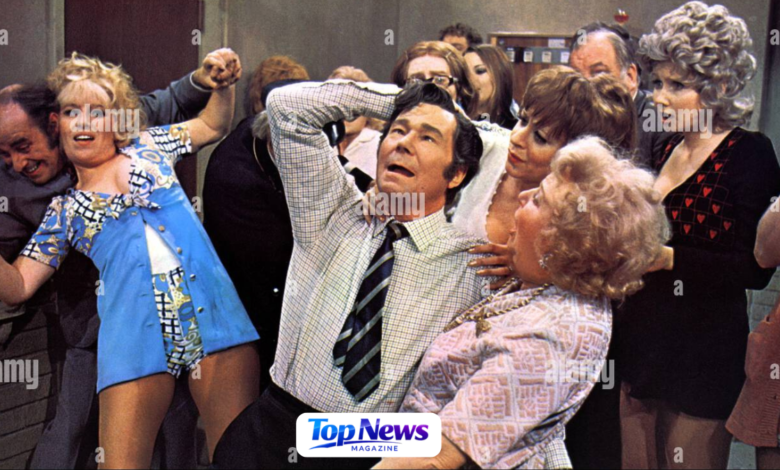
British comedy has produced many unforgettable films, but mutiny on the busses continues to hold a special place among fans of classic entertainment. Released during the golden era of British sitcom adaptations, the film captures the humour, charm, and everyday workplace antics that made the On the Buses franchise so successful. Even decades after its release, audiences still enjoy its memorable characters and light-hearted storytelling.
The enduring popularity of mutiny on the busses comes from its relatable humour and strong cast performances. Whether you are discovering the film for the first time or revisiting it as a long-time fan, it offers a fascinating glimpse into British comedy of the early 1970s. This guide explores the film’s story, cast, production, and lasting legacy while explaining why it remains an important part of British television and cinema history.
What Is Mutiny on the Busses?
Mutiny on the busses is a British comedy film released in 1972 and serves as the third and final film based on the hugely popular On the Buses television series. The film follows the familiar characters from the sitcom while introducing fresh situations filled with workplace rivalry, misunderstandings, and comic chaos. It successfully combines everyday humour with entertaining performances that appealed to audiences across the United Kingdom.
Unlike many television adaptations that struggle to capture the spirit of the original programme, this film maintains the same witty dialogue and lovable personalities that viewers had grown to appreciate. Its combination of workplace comedy and family-friendly entertainment helped establish it as one of the memorable British comedy films of its era, ensuring it continues to attract new viewers alongside devoted fans.
Mutiny on the Busses Plot Summary
The story centres on a series of changes introduced at the local bus depot, creating tension among the drivers and conductors. New management policies, modern equipment, and changing working conditions leave many employees frustrated, resulting in humorous attempts to resist the changes. The situation develops into a light-hearted workplace rebellion filled with misunderstandings, clever jokes, and entertaining situations.
Throughout mutiny on the busses, the familiar characters find themselves dealing with unexpected challenges while trying to protect their routines and friendships. The comedy grows naturally from everyday situations rather than exaggerated drama, making the film easy to enjoy for audiences of all ages. The conclusion delivers a satisfying ending that remains faithful to the cheerful spirit of the On the Buses series.
Mutiny on the Busses Cast and Characters
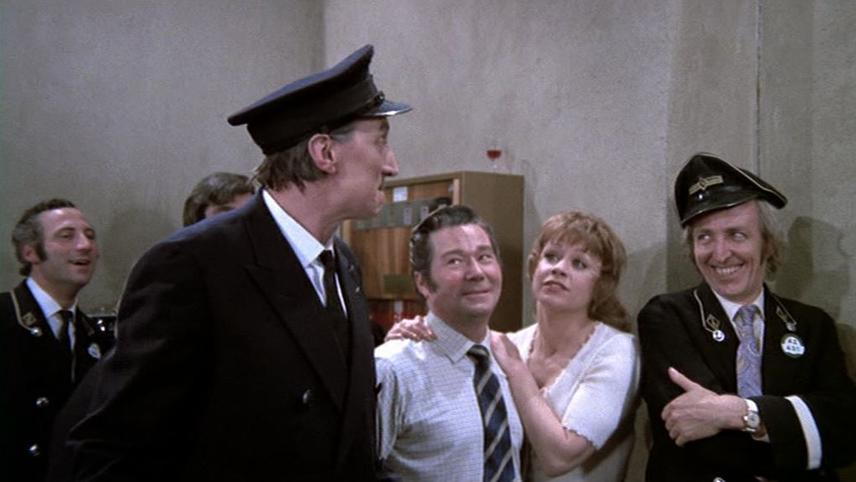
One of the greatest strengths of mutiny on the busses is its talented cast. Reg Varney returns as the cheerful bus driver Stan Butler, while Doris Hare plays the unforgettable Mum. Anna Karen appears as Olive, and Stephen Lewis once again delivers a memorable performance as Inspector Cyril Blake. Together, these actors recreate the familiar chemistry that made the television series such a success.
Each character contributes something unique to the story, from humorous misunderstandings to witty exchanges and comic timing. Their believable performances create an enjoyable atmosphere that feels both entertaining and authentic. The strong relationships between the characters remain one of the biggest reasons why audiences continue to revisit the film decades after its original release.
The Making of Mutiny on the Busses
The production of mutiny on the busses brought together many of the creative minds who had already achieved success with the television series and earlier films. The filmmakers understood what audiences loved about the franchise and worked carefully to preserve its familiar style of humour. Rather than changing the winning formula, they focused on creating fresh situations that allowed the characters to shine while maintaining the series’ distinctive British charm.
Filming took place in locations that reflected everyday Britain, giving the story an authentic setting that viewers could easily recognise. The production team paid close attention to the details of the bus depot, uniforms, and vehicles, helping the film feel realistic despite its comic nature. These thoughtful production choices contributed to the lasting appeal of the film and strengthened its connection with fans of the original sitcom.
How Mutiny on the Busses Fits into the On the Buses Series
The On the Buses television series became one of Britain’s most successful sitcoms, attracting millions of viewers with its workplace humour and memorable characters. As the popularity of the programme grew, producers expanded the franchise by creating feature films that allowed audiences to spend even more time with Stan Butler, Jack Harper, Inspector Blake, and the rest of the familiar cast. Mutiny on the busses serves as the final chapter in this successful film trilogy.
Although the film tells a standalone story, it retains the same atmosphere, humour, and character dynamics that fans enjoyed on television. Long-time viewers will appreciate the continuity between the series and the films, while newcomers can still enjoy the story without needing extensive knowledge of previous episodes. This balance helped the film remain accessible and enjoyable for a wide audience.
Themes, Humour and Cultural Impact
At its heart, mutiny on the busses celebrates ordinary working people and the amusing situations that arise from everyday life. The comedy revolves around workplace relationships, resistance to change, and the friendships formed between colleagues. These themes were highly relatable during the early 1970s and continue to resonate with audiences who appreciate classic British humour built around familiar experiences.
The film also reflects the social attitudes and working culture of its time, offering modern viewers an interesting glimpse into Britain’s past. While some jokes reflect the era in which the film was made, its light-hearted storytelling and strong character interactions remain enjoyable today. Its influence can still be seen in later British workplace comedies that embraced similar styles of humour and ensemble casts.
Critical Reception and Legacy
When it was released, mutiny on the busses received a warm reception from audiences who were already devoted fans of the television series. While critics offered mixed opinions, cinema-goers appreciated the familiar cast, entertaining storyline, and comfortable sense of humour. The film performed well commercially, proving that the On the Buses franchise still had a loyal following.
Over the years, the reputation of the film has grown through television repeats, home video releases, and streaming platforms. Today, it is widely recognised as an important part of British comedy history and remains a nostalgic favourite for many viewers. Its continued popularity demonstrates how timeless characters and relatable humour can entertain audiences across generations.
Where to Watch Mutiny on the Busses Today
Finding mutiny on the busses is easier today than it was in previous decades. The film is occasionally shown on British television channels that specialise in classic films and vintage sitcoms. It has also been released on DVD, making it accessible to collectors and fans who enjoy owning classic British cinema. Availability may vary depending on your location and the streaming services operating in your region.
Several digital platforms also add classic British films to their libraries from time to time, so it is worth checking reputable streaming services regularly. Watching the film through official sources ensures the best picture quality while supporting the preservation of classic British productions. Whether you choose to stream it or purchase a physical copy, the film remains an enjoyable addition to any classic comedy collection.
Interesting Facts About Mutiny on the Busses
One of the most interesting aspects of mutiny on the busses is that it marked the final big-screen appearance of the beloved On the Buses characters. The producers retained much of the original cast, helping the film feel like a natural continuation of the television series. Fans appreciated seeing familiar faces return, which contributed greatly to the film’s popularity after its release.
Another fascinating fact is that the humour was inspired by everyday working life, making it relatable for many viewers during the early 1970s. The realistic bus depot setting, combined with witty dialogue and entertaining performances, created a comedy that still feels charming today. The film remains a favourite among enthusiasts of vintage British entertainment and continues to introduce new audiences to the On the Buses franchise.
Why Mutiny on the Busses Is Still Worth Watching
Although decades have passed since its release, mutiny on the busses continues to entertain audiences with its simple storytelling and timeless humour. The film captures the spirit of classic British comedy by focusing on ordinary people, amusing workplace situations, and memorable character interactions. Its light-hearted approach makes it suitable for viewers looking for nostalgic entertainment without complicated plots or modern special effects.
The film also serves as a valuable piece of British television and cinema history. Fans of classic sitcoms can appreciate how successfully it translated the charm of the television series to the big screen. New viewers often discover the film through recommendations or classic film collections, proving that well-written comedy and strong performances can remain enjoyable for generations.
Conclusion
Mutiny on the busses remains one of Britain’s most recognisable comedy films, combining memorable characters, workplace humour, and entertaining performances into a story that continues to delight audiences. As the final film in the On the Buses franchise, it successfully preserved the warmth and wit that made the original television series so beloved across the United Kingdom.
Whether you are revisiting this classic or discovering it for the first time, mutiny on the busses offers a nostalgic journey into British comedy at its finest. Its enduring popularity, talented cast, and timeless humour ensure that it will remain an important part of Britain’s entertainment heritage for many years to come.
Frequently Asked Questions
What is Mutiny on the Busses about?
It is a 1972 British comedy film about bus depot workers dealing with workplace changes and humorous conflicts.
Is Mutiny on the Busses based on a TV series?
Yes, it is based on the popular British sitcom On the Buses.
Who stars in Mutiny on the Busses?
The film stars Reg Varney, Doris Hare, Anna Karen, and Stephen Lewis.
When was Mutiny on the Busses released?
Mutiny on the Busses was released in 1972.
Where was Mutiny on the Busses filmed?
The film was primarily shot in and around the United Kingdom using real locations.
Also Read: woodseaves