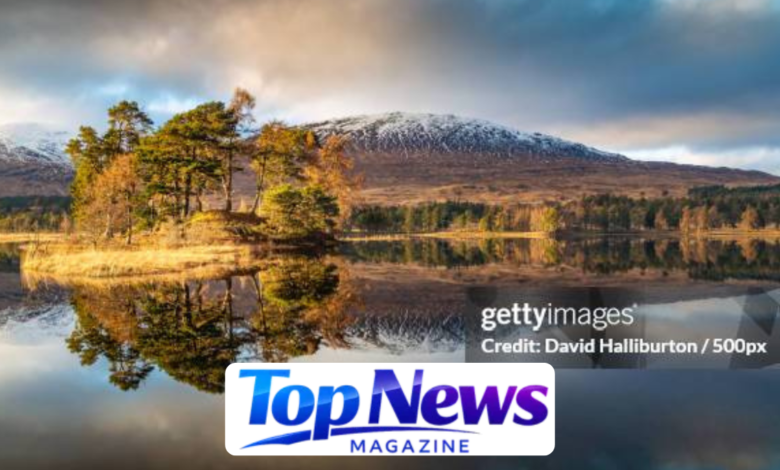
Loch Tulla is one of the hidden treasures of the Scottish Highlands, admired for its peaceful atmosphere, crystal-clear waters, and spectacular mountain scenery. Located along the famous A82 route, this beautiful freshwater loch attracts visitors looking to experience Scotland’s natural beauty away from crowded tourist hotspots. Whether you enjoy photography, hiking, or simply taking in breathtaking landscapes, Loch Tulla offers a memorable destination throughout every season of the year.
Beyond its striking appearance, Loch Tulla also reflects the rich heritage of the Highlands. The surrounding glens, forests, and hills have witnessed centuries of Scottish history while remaining remarkably unspoilt. Visitors often stop here during journeys through Glencoe or Bridge of Orchy, discovering a tranquil setting where nature takes centre stage. This guide explores everything you need to know before planning your visit to this remarkable Highland loch.
Where Is Loch Tulla?
Loch Tulla is located in Argyll and Bute, within the western Scottish Highlands, close to the picturesque village of Bridge of Orchy. The loch sits beside the well-known A82 road, one of Scotland’s most scenic driving routes connecting Glasgow with Fort William. Its convenient location makes it an ideal stopping point for travellers exploring nearby attractions, including Glencoe and Rannoch Moor.
Despite being easily accessible, the area surrounding Loch Tulla remains wonderfully peaceful and largely untouched by commercial development. Rolling hills, ancient woodland, and rugged mountain peaks create an unforgettable landscape that changes beautifully with the seasons. Whether arriving by car, bicycle, or as part of a Highland tour, visitors are rewarded with panoramic views that perfectly capture Scotland’s wild and natural beauty.
The History of Loch Tulla
The history of Loch Tulla is closely linked with the wider story of the Scottish Highlands. For centuries, the surrounding region supported Highland communities that relied on farming, fishing, and traditional ways of life. Ancient clan territories once covered much of the area, while nearby routes connected settlements across the Highlands long before modern roads were constructed.
Although Loch Tulla is best known today for its natural scenery, it has quietly witnessed many important moments in Scottish history. The surrounding landscapes have changed very little over the centuries, preserving the area’s authentic Highland character. Visitors can still experience the same peaceful environment that inspired generations of travellers, artists, and nature lovers, making the loch both historically significant and visually captivating.
Scenic Views and Natural Beauty
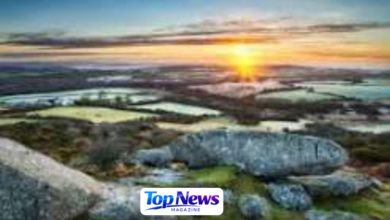
The outstanding scenery surrounding Loch Tulla is undoubtedly its greatest attraction. Calm waters reflect the surrounding mountains, creating picture-perfect views that attract photographers from around the world. During sunrise and sunset, the changing light transforms the landscape into a breathtaking display of colours, while mist rising from the loch adds a magical atmosphere unique to the Scottish Highlands.
Nature thrives throughout the area, making Loch Tulla an excellent destination for wildlife enthusiasts. Visitors may spot red deer grazing nearby, soaring birds of prey, and a wide variety of native water birds. Seasonal wildflowers brighten the surrounding countryside during spring and summer, while autumn brings golden woodland colours that contrast beautifully against the dark waters and rugged mountain backdrop.
Best Things to Do at Loch Tulla
A visit to Loch Tulla offers far more than simply admiring beautiful scenery. Many travellers enjoy stopping at designated viewpoints to capture unforgettable photographs before continuing their Highland journey. The peaceful setting makes it an excellent location for relaxing walks, quiet picnics, and moments of reflection surrounded by Scotland’s remarkable natural landscapes.
Outdoor enthusiasts can also explore nearby walking trails leading through forests, open moorland, and surrounding hills. Scenic drives along the A82 reveal countless opportunities to admire changing landscapes, while nearby attractions such as Glencoe and Bridge of Orchy provide additional experiences. Whether spending an hour or an entire day, Loch Tulla delivers a rewarding Highland adventure for visitors of every age.
Best Time to Visit Loch Tulla
Every season reveals a different side of Loch Tulla, making it a destination that can be enjoyed throughout the year. Spring brings fresh greenery, blooming wildflowers, and longer daylight hours, creating excellent conditions for walking and photography. Summer offers milder temperatures and clear skies, allowing visitors to enjoy uninterrupted views of the surrounding mountains while exploring the Scottish Highlands.
Autumn is often regarded as the most colourful season, as the nearby woodlands transform into brilliant shades of gold, orange, and red. Winter, meanwhile, presents an entirely different experience, with snow-covered peaks reflected in the still waters of the loch. Although temperatures are colder, the peaceful atmosphere and dramatic scenery make winter visits especially rewarding for photographers and nature lovers.
Visitor Guide and Essential Travel Tips
Planning ahead will help you enjoy a comfortable visit to Loch Tulla. The Highland weather is famously unpredictable, so waterproof clothing, warm layers, and sturdy walking shoes are recommended regardless of the season. Visitors should also carry snacks, drinking water, and a fully charged mobile phone, especially if planning to explore nearby walking routes or spend several hours in the area.
Parking is available at designated roadside lay-bys along the A82, providing safe places to stop and admire the scenery. Visitors are encouraged to respect the natural environment by taking litter home, keeping to marked paths where possible, and avoiding disturbance to local wildlife. Responsible tourism helps preserve the beauty of the loch, ensuring future generations can enjoy the same unspoilt landscape.
Nearby Attractions Around Loch Tulla
One of the advantages of visiting Loch Tulla is its proximity to several of Scotland’s most famous Highland attractions. Just a short drive away lies the dramatic landscape of Glencoe, renowned for its towering mountains, deep valleys, and fascinating history. Bridge of Orchy is another nearby destination, offering scenic walking routes, charming Highland views, and welcoming places to stop for refreshments.
Rannoch Moor is also within easy reach and provides one of the wildest and most untouched landscapes in Britain. Visitors travelling through the Highlands often combine these destinations into a memorable road trip, enjoying breathtaking scenery at every turn. Exploring the surrounding area allows travellers to experience the true beauty and diversity of Scotland’s natural environment.
Why Loch Tulla Is Worth Visiting
There are countless reasons why Loch Tulla continues to attract visitors from across the UK and beyond. Its peaceful atmosphere offers a welcome escape from busy cities, while its spectacular scenery provides unforgettable opportunities for photography, sightseeing, and relaxation. Unlike some of Scotland’s busier tourist destinations, the loch retains a quiet charm that makes every visit feel personal and refreshing.
Whether you are passionate about nature, interested in Scottish history, or simply looking for one of the Highlands’ most beautiful viewpoints, Loch Tulla delivers an authentic experience. Its combination of scenic beauty, accessible location, and surrounding attractions makes it a highlight of any Highland itinerary. Every visit offers something new, encouraging travellers to return and discover the changing landscape throughout the seasons.
Conclusion
Loch Tulla is a true Highland gem that combines breathtaking scenery, rich history, abundant wildlife, and peaceful surroundings into one unforgettable destination. Its location along the famous A82 makes it easy to include in a Scottish road trip, while its tranquil atmosphere allows visitors to slow down and appreciate the natural beauty that defines the Highlands.
Whether you are visiting for a short stop, a photography session, or a day of exploring nearby attractions, Loch Tulla offers an experience that captures the essence of Scotland. From its reflective waters and dramatic mountain backdrop to its fascinating heritage and welcoming landscapes, this remarkable loch deserves a place on every traveller’s itinerary.
Frequently Asked Questions
What is Loch Tulla famous for?
Loch Tulla is famous for its stunning Highland scenery, peaceful setting, reflective waters, and spectacular views of the surrounding mountains. It is also a popular stop for photographers and travellers exploring the A82.
Where is Loch Tulla located?
Loch Tulla is located in Argyll and Bute in the Scottish Highlands, close to Bridge of Orchy and along the scenic A82 road between Glasgow and Fort William.
Is Loch Tulla worth visiting?
Yes, Loch Tulla is well worth visiting for its breathtaking landscapes, peaceful atmosphere, excellent photography opportunities, and easy access to nearby Highland attractions.
Can you walk around Loch Tulla?
While there is no complete circular route around the loch, several nearby walking trails and countryside paths provide excellent views of the water and surrounding scenery.
What wildlife can be seen at Loch Tulla?
Visitors may spot red deer, golden eagles, ospreys, water birds, and a variety of native plants depending on the season and weather conditions.
When is the best time to visit Loch Tulla?
Spring, summer, and autumn are ideal for sightseeing and photography, while winter offers dramatic snow-covered landscapes and a quieter visitor experience.
Is parking available at Loch Tulla?
Yes, there are designated roadside parking areas and lay-bys along the A82 where visitors can safely stop to admire the scenery and take photographs.
What attractions are close to Loch Tulla?
Nearby attractions include Glencoe, Bridge of Orchy, Rannoch Moor, Loch Lomond and The Trossachs National Park, and several scenic walking and hiking routes throughout the Scottish Highlands.
Also Read: cilfynydd