
Northampton Castle was once one of the most influential medieval fortresses in England, standing proudly in the heart of Northampton for centuries. Although much of the castle disappeared during the Victorian era, its remarkable history continues to fascinate historians, travellers and local residents alike. From royal visits to political gatherings, the castle played a central role in shaping both the town and the nation. Today, it remains an important symbol of Northampton’s rich heritage.
The story of Northampton Castle stretches back to the Norman Conquest, when castles were built across England to secure control and establish authority. Over the years, the fortress developed into a magnificent royal residence, military stronghold and administrative centre. While only a small portion of the original structure survives today, its legacy lives on through historical records, archaeological discoveries and the pride of the local community.
The History of Northampton Castle
The origins of Northampton Castle date back to around 1084, when the Normans established a motte-and-bailey fortress shortly after conquering England. Its strategic location near important trade routes made it an ideal place to control movement across the Midlands. Initially built using timber, the castle reflected the Norman approach to quickly securing newly conquered territories while providing protection for soldiers and administrators.
As the centuries progressed, the wooden structure gradually evolved into an impressive stone fortress with stronger walls and larger buildings. During the medieval period, the castle became one of the most important royal residences outside London. Kings frequently stayed there, government meetings were organised within its walls, and the surrounding settlement flourished as the castle’s influence expanded throughout Northamptonshire.
The importance of Northampton Castle continued to grow during the reigns of several English monarchs. It was not simply a defensive building but also a centre for justice, politics and administration. The castle became closely associated with royal authority, attracting noble families, merchants and church leaders who contributed to Northampton’s growing reputation as an important medieval town.
The castle’s fortunes eventually changed as warfare evolved and political priorities shifted. By the eighteenth and nineteenth centuries, the once-powerful fortress had lost much of its military importance. Large sections of the castle were demolished during the construction of Northampton Railway Station, leaving only fragments to remind future generations of its remarkable past.
Why Northampton Castle Was So Important
Throughout medieval England, Northampton Castle served as far more than a military fortress. Its position made it an ideal location for kings travelling across the country, and many monarchs chose to stay there while conducting official business. Royal councils, legal hearings and political discussions frequently took place within the castle walls, giving it national significance beyond Northampton itself.
The castle also strengthened the Crown’s authority across central England. By controlling surrounding roads and trade routes, it allowed the monarchy to maintain order while protecting important commercial links. Merchants travelling through the region benefited from the security offered by the castle, helping Northampton become a prosperous medieval market town.
Military strength was another reason why Northampton Castle gained such importance. Strong defensive walls, towers and fortified entrances made it difficult for enemies to attack successfully. During periods of unrest, the castle protected both the royal administration and the local population, reinforcing its reputation as one of England’s leading Norman strongholds.
Its influence extended beyond warfare and politics. Religious leaders, judges and wealthy nobles regularly gathered at the castle, making it a centre of social and cultural life. Important decisions affecting the kingdom were often discussed within its halls, demonstrating that the castle’s significance reached every corner of medieval society.
Architecture and Design of Northampton Castle
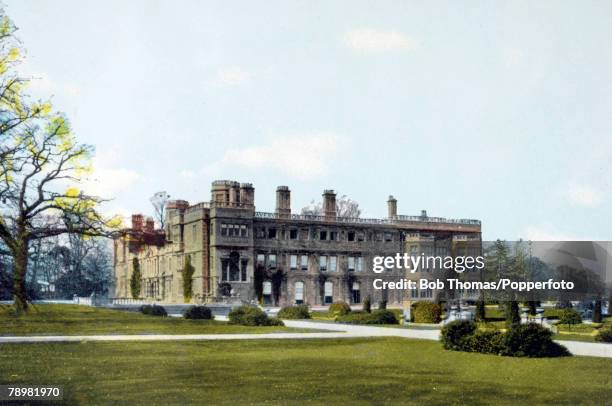
The original design of Northampton Castle followed the classic Norman motte-and-bailey layout, featuring a raised earth mound crowned by defensive buildings and surrounded by secure courtyards. This style enabled rapid construction while offering excellent protection against attacks. As time passed, timber structures were replaced with durable stone, creating a far stronger and more impressive fortress.
Massive curtain walls enclosed the castle grounds, while towers provided clear views across the surrounding countryside. The gatehouse served as the main entrance, carefully designed to control access and defend against invaders. Deep ditches and fortified barriers added further protection, making the castle one of the strongest defensive sites in the region during the Middle Ages.
Inside the castle walls stood the magnificent Great Hall, where kings welcomed guests, held feasts and conducted official ceremonies. Residential chambers offered comfortable accommodation for the royal household, while kitchens, chapels and administrative buildings supported daily life within the fortress. Every structure reflected the castle’s dual purpose as both a military base and an elegant royal residence.
Although much of the original architecture has disappeared, archaeological investigations continue to reveal valuable information about the castle’s layout and construction. Historians use these discoveries alongside historical documents to recreate an accurate picture of one of England’s most important medieval fortresses, ensuring its architectural legacy is never forgotten.
Major Historical Events Connected to Northampton Castle
Throughout its long history, Northampton Castle witnessed many of the defining events of medieval England. Several English kings used the fortress as a royal residence while travelling across the country, and important political meetings were regularly held within its walls. These gatherings often influenced national policies, making the castle one of the most significant centres of royal authority outside London.
The castle also became known for hosting legal proceedings and parliamentary discussions. Nobles, bishops and government officials gathered there to debate matters affecting the kingdom, while judges settled disputes and enforced royal law. This combination of political and judicial importance ensured the castle remained at the heart of English public life for several centuries.
Another notable feature of Northampton Castle was its role as a prison. High-profile prisoners were sometimes held within its secure walls before facing trial or royal judgement. The fortress therefore represented both the power of the monarchy and the strength of England’s legal system during the medieval period.
As military technology advanced and political priorities changed, the castle gradually declined in importance. By the nineteenth century, much of the historic structure was demolished to make room for Northampton Railway Station. Although this marked the end of the fortress itself, its historical significance has continued to inspire historians and visitors alike.
What Remains of Northampton Castle Today
While most of Northampton Castle has disappeared, visitors can still discover important reminders of its remarkable past. The best-known surviving feature is the medieval postern gate, which has been carefully preserved as a protected historical monument. This impressive gateway provides a rare glimpse into the architecture that once defined one of England’s greatest Norman castles.
Archaeological excavations have also uncovered foundations, artefacts and sections of the original defensive structures. These discoveries have helped historians understand how the castle developed over time and how daily life unfolded within its walls. Every new finding adds another piece to the story of this historic landmark.
Modern information boards and heritage displays explain the castle’s history to visitors exploring the site today. Walking through the area allows people to imagine the impressive fortress that once dominated Northampton’s skyline. Although much has changed, the location continues to attract those interested in England’s medieval heritage.
Local organisations remain committed to preserving the history of Northampton Castle through educational projects and public events. These initiatives ensure that future generations understand the importance of the castle and appreciate its lasting contribution to Northampton’s identity.
Visiting Northampton Castle
A visit to the site of Northampton Castle offers an enjoyable experience for anyone interested in British history. Located beside Northampton Railway Station, the former castle grounds are easily accessible by train, bus and car. Although visitors will not find a complete medieval fortress, the surviving remains and historical interpretation provide valuable insight into the site’s importance.
Exploring the surrounding town also reveals many other historic attractions. Museums, churches and heritage buildings help visitors understand Northampton’s development from a medieval market town into the thriving community it is today. Combining these attractions with the castle site creates a rewarding day out for families, students and history enthusiasts.
Photography enthusiasts will appreciate the preserved gate and nearby heritage features, while history lovers can follow local walking trails that highlight important landmarks connected with the castle. Informative displays explain key events and architectural features, making the experience both educational and engaging.
The best time to visit is during spring or summer when pleasant weather makes walking around the historic centre more enjoyable. Guided tours and local heritage events are sometimes available, offering even deeper insight into the fascinating story of Northampton Castle.
Interesting Facts About Northampton Castle
Many people are surprised to learn that Northampton Castle once rivalled some of England’s most famous royal fortresses. Its Great Hall welcomed monarchs, noble families and leading church officials, making it one of the country’s busiest political centres during the Middle Ages. The castle’s reputation extended far beyond Northamptonshire.
Another fascinating fact is that the castle hosted several important royal councils and legal proceedings that influenced the development of English government. Decisions made within its walls affected not only the local community but also the wider kingdom, highlighting the castle’s national importance.
Archaeologists continue to study the site, uncovering artefacts that reveal details about medieval craftsmanship, trade and everyday life. Pottery, building materials and household items provide valuable evidence of how people lived and worked within the castle throughout different historical periods.
Despite losing much of its original structure during railway construction, Northampton Castle remains one of Northampton’s most treasured historical landmarks. Its story continues to inspire books, educational programmes and local heritage projects that celebrate the town’s rich and fascinating past.
Northampton Castle’s Legacy in Modern Britain
The legacy of Northampton Castle remains deeply connected to the identity of Northampton and its surrounding communities. Schools, museums and historical societies regularly share the castle’s story, helping people understand its importance in shaping England’s medieval history. These educational efforts ensure the castle’s influence continues long after the original fortress disappeared.
The castle also contributes to local tourism by encouraging visitors to explore Northampton’s historic centre. Heritage trails, exhibitions and archaeological displays attract travellers interested in learning more about the town’s remarkable past. This growing interest supports local businesses while promoting appreciation for Britain’s cultural heritage.
Conservation groups continue working to protect the surviving remains and improve public understanding of the site. Through restoration projects, digital reconstructions and community events, they ensure that the history of Northampton Castle remains accessible to future generations.
Although only fragments survive today, the castle’s historical importance has never faded. It stands as a powerful reminder of England’s Norman heritage, medieval government and architectural achievement, making it one of Northampton’s most valuable historical treasures.
Conclusion
Northampton Castle occupies a unique place in England’s medieval history. Built by the Normans and expanded into a magnificent royal fortress, it served as a military stronghold, political centre and royal residence for centuries. Although much of the castle was lost during the Victorian railway expansion, its influence continues through preserved remains, historical records and ongoing archaeological research.
Today, Northampton Castle remains an essential part of Northampton’s heritage and a fascinating destination for anyone interested in British history. Whether exploring the surviving gate, following local heritage trails or learning about its royal connections, visitors can still appreciate the remarkable legacy of one of England’s most significant Norman castles.
Frequently Asked Questions
What was Northampton Castle built for?
Northampton Castle was built shortly after the Norman Conquest to strengthen Norman control, provide military defence and serve as an important administrative centre.
Who built Northampton Castle?
The castle was built by the Normans during the late eleventh century under the rule of William the Conqueror’s government.
Can you visit Northampton Castle today?
Yes. While most of the original castle has disappeared, visitors can explore the surviving postern gate and the historic site near Northampton Railway Station.
Why was Northampton Castle demolished?
Large sections of the castle were demolished during the nineteenth century to allow the construction of Northampton Railway Station.
What is the most famous remaining feature?
The medieval postern gate is the best-preserved part of Northampton Castle and remains an important historical landmark.
Why is Northampton Castle important?
Northampton Castle played a vital role in medieval England as a royal residence, military fortress, political centre and place of justice, making it one of the country’s most historically significant Norman castles.
Also Read: the bay series 5