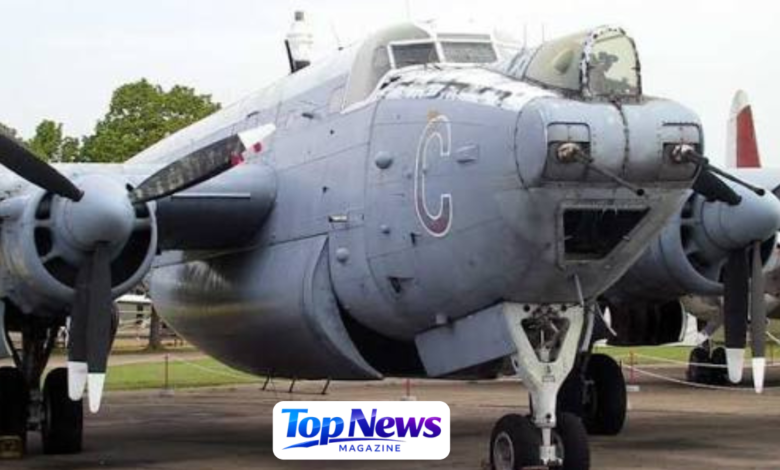
The Avro Shackleton is one of the most famous military aircraft ever produced in Britain. Developed during the early years of the Cold War, this long-range maritime patrol aircraft played a crucial role in protecting the United Kingdom’s coastline and monitoring potential threats across vast areas of ocean. Its impressive endurance and reliability quickly made it a key asset for the Royal Air Force.
Even decades after its retirement, the Avro Shackleton remains an important part of British aviation history. Aviation enthusiasts, historians, and military experts continue to study and admire the aircraft because of its unique design and outstanding operational record. Its contribution to maritime security has ensured its place among the most respected aircraft ever built in Britain.
The Origins of the Avro Shackleton
The story of the Avro Shackleton began shortly after the Second World War when Britain needed a new aircraft capable of carrying out long-range maritime patrol duties. The Royal Air Force required an aircraft that could detect enemy submarines, conduct reconnaissance missions, and provide support during search and rescue operations. Avro responded by creating a design based on the successful Avro Lincoln bomber.
Engineers adapted and improved the bomber design to meet the changing demands of post-war military operations. The result was an aircraft capable of flying for extended periods while carrying advanced radar and surveillance equipment. This combination of endurance and technology made the Avro Shackleton one of the most capable maritime patrol aircraft of its generation.
Design and Engineering Features
One of the most distinctive characteristics of the Avro Shackleton was its powerful set of four Rolls-Royce Griffon engines. These engines provided the aircraft with the strength needed to undertake long missions over open water. Although it was not designed for high-speed flight, it excelled in endurance and reliability, which were essential qualities for maritime patrol operations.
The aircraft also featured a spacious interior that allowed crew members to operate sophisticated navigation, communication, and detection systems. Its large airframe accommodated the equipment required for anti-submarine warfare and surveillance missions. These engineering features helped establish the aircraft as a dependable and highly effective tool for the Royal Air Force.
Variants of the Avro Shackleton
Over the years, several versions of the Avro Shackleton were introduced to improve performance and meet evolving military requirements. The original MR1 model served as the foundation for future developments. Later versions, such as the MR2 and MR3, included enhanced radar systems, improved crew facilities, and greater operational capabilities.
The AEW2 variant represented one of the most significant developments in the aircraft’s history. It was adapted to perform airborne early warning duties and remained in service for many years after other versions had retired. These different variants demonstrated the aircraft’s flexibility and ability to adapt to changing defence needs.
Role During the Cold War
The Cold War was a defining period for the Avro Shackleton, as it became one of Britain’s primary maritime patrol aircraft. Its main responsibility involved monitoring naval activity and tracking potential submarine threats in the North Atlantic. These missions were essential for maintaining security and supporting NATO operations during a time of international tension.
Beyond anti-submarine duties, the aircraft also carried out reconnaissance and intelligence-gathering missions. Its ability to remain airborne for many hours allowed crews to monitor large areas of ocean and respond quickly to emerging situations. This versatility made the aircraft an invaluable component of Britain’s defence strategy throughout the Cold War era.
Technical Specifications and Performance
The Avro Shackleton was an impressive aircraft in terms of size and capability. It featured a wingspan of more than 36 metres and could carry a crew of up to ten people depending on the mission. Its powerful engines and large fuel capacity enabled it to undertake patrols lasting well over ten hours, making it ideal for maritime operations.
Advanced radar systems, communication equipment, and navigation technology allowed the aircraft to perform a wide range of tasks. These features enabled crews to detect submarines, track vessels, and gather valuable intelligence. The combination of endurance and specialised equipment ensured that the aircraft remained effective throughout its lengthy service life.
Legacy and Historical Importance
The legacy of the Avro Shackleton extends far beyond its years of active service. It played a vital role in safeguarding Britain’s maritime interests and contributed significantly to Cold War defence efforts. Its success helped shape the future of maritime patrol aviation and influenced the development of later surveillance aircraft.
Today, historians often regard the aircraft as one of the most important British military aircraft of the twentieth century. Its long operational career, combined with its contribution to national security, has ensured that it remains a respected symbol of British engineering and aviation excellence.
Preserved Aircraft and Public Interest
Several examples of the Avro Shackleton have been preserved in museums and heritage collections across the United Kingdom. These aircraft allow visitors to appreciate the scale, design, and technological achievements that made the aircraft so successful. Restoration projects continue to attract support from volunteers and aviation enthusiasts.
Public interest in the aircraft remains strong because it represents a fascinating chapter in British aviation history. Air museums regularly feature exhibits dedicated to its service, while documentaries and historical publications continue to highlight its achievements. These preservation efforts help keep the story of the aircraft alive for future generations.
Interesting Facts About the Aircraft
One interesting fact about the Avro Shackleton is that it was famous for its distinctive engine noise, which became instantly recognisable to those who worked around it. The sound of its Rolls-Royce Griffon engines earned the aircraft a unique reputation among RAF personnel and aviation enthusiasts alike.
Another fascinating aspect was its remarkable endurance. The aircraft could remain airborne for extended periods, making it ideal for long maritime patrols. This capability allowed crews to cover vast areas of ocean and perform critical surveillance tasks that were essential for maintaining national security.
Conclusion
The Avro Shackleton stands as one of the most iconic aircraft in British aviation history. Designed to meet the challenges of the post-war world, it provided decades of reliable service in maritime patrol, reconnaissance, and airborne early warning roles. Its impressive endurance and advanced capabilities made it a cornerstone of Royal Air Force operations.
Although no longer in active service, the Avro Shackleton continues to inspire aviation enthusiasts and historians. Through museum displays, restoration projects, and historical research, its remarkable story lives on. As a symbol of British innovation, determination, and engineering excellence, it remains one of the most celebrated military aircraft ever produced in the United Kingdom.
Frequently Asked Questions
What was the Avro Shackleton used for?
The aircraft was used for maritime patrol, anti-submarine warfare, reconnaissance, and search and rescue missions.
When did the Avro Shackleton enter service?
It entered Royal Air Force service in 1951.
What engines powered the Avro Shackleton?
It was powered by four Rolls-Royce Griffon piston engines.
Why was the Avro Shackleton important during the Cold War?
It helped monitor submarine activity and supported NATO maritime defence operations.
Are any Avro Shackleton aircraft preserved today?
Yes, several preserved examples can be found in museums and aviation heritage collections across the UK.
I prefer this response
Also Read: romford football club