
Trestles are simple yet highly useful supports found across construction sites, workshops, garages and home improvement projects. Their practical design allows users to create temporary working surfaces without installing a permanent bench. Whether you are cutting timber, preparing materials, painting doors or assembling furniture, the right trestles can provide a convenient and flexible workspace while making everyday tasks easier to organise.
The popularity of trestles comes from their combination of simplicity, portability and versatility. They can be positioned where they are needed, folded away after use and used with suitable boards to create different working arrangements. However, not every model is designed for every task. Understanding their construction, capacity and intended purpose is essential for achieving a safe and effective working setup.
What Are Trestles?
Trestles are supporting structures designed to hold boards, timber, worktops and other materials above the ground. A typical design features two legs or supporting frames connected by cross members, creating a stable base for a working surface. Their straightforward construction makes them particularly useful for temporary work areas where flexibility is more important than having a fixed workstation.
Modern trestles come in a variety of sizes, materials and designs to suit different applications. Some feature folding frames for easy transport, while others have adjustable heights or reinforced components for heavier work. Before selecting a model, users should consider the expected load, working height and environment. Choosing equipment that matches the task can improve both efficiency and safety.
Different Types of Trestles
There are several types of trestles available, and each has particular advantages. Folding versions are popular among DIY users and tradespeople because they can be transported easily and stored in small spaces. Adjustable models offer additional flexibility, allowing the working height to be changed for different jobs. Heavy-duty versions are normally designed for more demanding construction and workshop applications.
The material used in construction can also affect performance. Steel trestles are generally valued for strength and durability, while wooden versions can provide a traditional solution for lighter workshop tasks. Lightweight plastic designs may be convenient for occasional domestic use. The best option depends on the nature of the project, expected load, frequency of use and required portability.
Common Uses of Trestles
One of the most familiar uses of trestles is creating a temporary workbench. By placing a suitable board securely across two supports, users can establish a practical surface for measuring, cutting, sanding, assembling and repairing materials. This can be particularly useful when working in a garage, garden, workshop or building site where a permanent workbench is unavailable.
Trestles can also support long pieces of timber, sheet materials and other items during construction and renovation work. Decorators may use them while preparing doors or boards, while carpenters can find them useful during cutting and assembly. Their versatility makes them suitable for many projects, but the supporting equipment must always be appropriate for the weight and dimensions of the materials being handled.
Benefits of Using Trestles
One of the greatest advantages of trestles is their flexibility. Unlike a permanent workbench, they can normally be moved from one location to another without major effort. Folding designs are particularly useful for people who have limited storage space or regularly travel between different work areas. When the job is finished, they can be folded away rather than occupying valuable floor space.
Another benefit is the ability to create a working surface suited to a particular task. Users can select a suitable board or worktop and position the supports at an appropriate distance. This makes the arrangement adaptable for different projects. Nevertheless, convenience should never take priority over safety, and the equipment must always remain within its specified working limits.
How to Choose the Right Trestles
Choosing the right trestles starts with understanding the job. Consider how much weight the supports need to carry and check the manufacturer’s stated maximum load capacity. The required working height should also be considered, particularly when a project involves several hours of cutting, assembling or decorating. A suitable height can make the workspace more comfortable and practical.
Construction quality is another important factor. Look at the frame, feet, joints, hinges and locking mechanisms before purchasing. Adjustable features may provide useful versatility, while folding mechanisms can make transportation and storage easier. However, additional features should not compromise stability. A well-designed model that suits the intended application is generally a better choice than simply selecting the cheapest available option.
Trestle Safety: Essential Tips for Safe Use
Safe use begins with correct positioning. Trestles should be placed on a firm, level and stable surface before materials are added. Both supports should stand securely, and the working board should be appropriately sized and positioned. Users should never exceed the stated load capacity, as excessive weight can affect stability and potentially cause the entire arrangement to fail.
Regular inspection is equally important. Before each use, check for cracked components, bent frames, loose fasteners, damaged feet and faulty locking mechanisms. Any equipment showing significant damage should be removed from service until it has been properly assessed or replaced. When power tools are involved, users should take additional care because vibration and cutting forces can place extra demands on the supporting structure.
Trestles for DIY Projects and Home Improvements
For homeowners, trestles can be valuable during decorating, woodworking, repairs and renovation projects. They provide a quick way to establish a temporary working surface without purchasing or building a permanent bench. A pair can be useful for supporting doors during painting, holding timber while cutting or creating a convenient surface for assembling furniture.
Folding models can be especially attractive for occasional DIY users because they are relatively easy to transport and store. Once a project is complete, they can be folded and placed in a garage, shed or storage area. Even during simple home projects, however, users should follow the manufacturer’s instructions and avoid using temporary supports for tasks that require specialist access equipment.
Trestles for Construction and Professional Work
On construction sites and in professional workshops, trestles can provide valuable support for materials and temporary work surfaces. Carpenters, joiners, decorators and maintenance workers may use robust models when preparing timber, assembling components or organising materials. Professional equipment is often designed for repeated use and demanding conditions, making durability an important consideration when selecting suitable supports.
Professional users should assess working conditions carefully before choosing equipment. Load capacity, stability, height, portability and construction materials can all influence suitability. It is also important to understand the distinction between supporting materials and providing access for people. Where a task involves working at height, appropriate specialist equipment should be selected rather than assuming ordinary supports are suitable.
Maintaining and Storing Trestles
Regular maintenance can help keep trestles reliable and extend their useful working life. Dust, sawdust, paint and construction debris should be removed from moving parts and supporting surfaces after use. Users should periodically inspect screws, hinges, locking mechanisms, frames and feet. Any unusual movement, looseness or visible damage should be investigated before the equipment is used again.
Storage conditions can also affect durability. Metal supports should ideally be kept somewhere dry to reduce the risk of corrosion, while wooden versions should be protected from excessive moisture. Folding models should be stored without placing unnecessary weight on them. Good maintenance and sensible storage can help preserve stability, functionality and appearance over time.
Trestles Compared With Other Work Supports
Trestles provide a different solution from a traditional workbench. A permanent workbench may offer built-in storage, a fixed working height and additional stability, but it also occupies a dedicated area. Trestles, by contrast, can be moved, rearranged and stored when not required. This makes them particularly useful for temporary projects, small workshops and locations where space is limited.
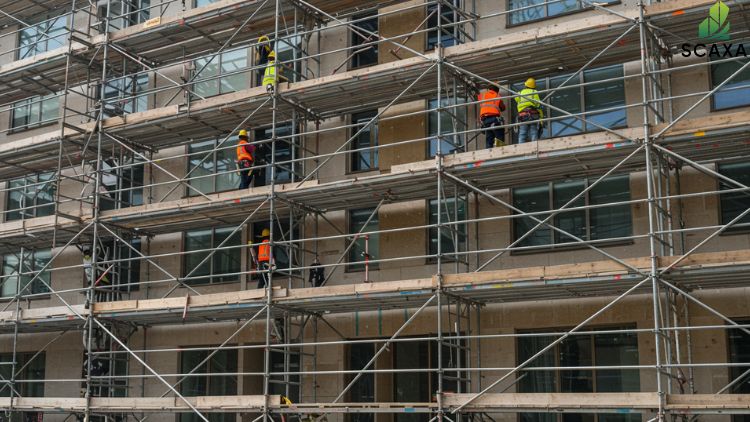
They should not, however, be confused with scaffolding or specialist access equipment. Supporting a board or material is very different from safely providing elevated access for workers. Selecting the correct equipment for the actual task is essential. If a project requires controlled access at height, users should follow appropriate safety guidance and choose equipment specifically designed for that purpose.
Key Factors to Remember Before Buying Trestles
Before buying trestles, consider the intended application, expected load and frequency of use. Working height, frame construction, stability, portability and storage requirements should also influence the decision. Buyers should examine product information carefully and make sure the selected model is suitable for the materials and working conditions involved rather than relying solely on appearance.
Price is another consideration, but it should not be the only deciding factor. A well-made product may offer greater durability, stability and long-term value than an inexpensive model that is unsuitable for regular use. Checking manufacturer specifications and safety instructions can help buyers make a more informed choice and avoid purchasing equipment that does not meet their practical requirements.
Conclusion
Trestles remain a practical solution for creating temporary working areas in homes, workshops and professional environments. Their portable design makes them useful for woodworking, decorating, construction, repairs and many other tasks. With different materials, sizes and features available, users can select a design that fits their specific requirements while benefiting from convenient storage and easy movement.
Safety should always remain central when using any temporary support system. Selecting the correct capacity, positioning the equipment on a stable surface and inspecting it regularly can reduce unnecessary risks. By choosing suitable equipment and following manufacturer guidance, users can enjoy a flexible workspace that supports a wide range of DIY and professional projects.
Frequently Asked Questions
What are trestles used for?
Trestles are used to support boards, timber and temporary work surfaces for DIY, construction, decorating and woodworking projects.
Are trestles suitable for construction work?
Yes, heavy-duty trestles can be suitable for construction when their load capacity and design match the specific task.
How much weight can trestles hold?
The maximum load varies by model, so always check the manufacturer’s stated weight capacity before use.
Are folding trestles safe?
Folding trestles can be safe when correctly positioned, locked and used according to the manufacturer’s instructions.
What are the best trestles for DIY?
Folding or adjustable trestles are often practical for DIY because they offer flexibility, portability and easy storage.
Can trestles replace a workbench?
Trestles can create a temporary workbench when used with a suitable board, although they may lack features of a permanent bench.
How should trestles be maintained?
Inspect the frame, joints, feet and locking mechanisms regularly, and store them in a clean, dry and protected location.
Also Read: crouch end