
The Vulcan Jet is one of the most famous military aircraft ever developed in the United Kingdom. Designed by Avro during the early years of the Cold War, this remarkable bomber combined advanced engineering with an unmistakable delta-wing design. Its unique appearance and exceptional capabilities quickly established it as a key element of Britain’s strategic air defence, making it one of the most recognisable aircraft in aviation history.
Although the aircraft retired from active service many years ago, the Vulcan Jet continues to capture the imagination of aviation enthusiasts, historians, and engineers. Its impressive achievements, memorable combat missions, and appearance at countless air displays have ensured that its legacy remains stronger than ever. Today, preserved examples across the UK continue to educate visitors about Britain’s proud aviation heritage.
What Is the Vulcan Jet?
The Vulcan Jet is the popular name for the Avro Vulcan, a strategic bomber developed for the Royal Air Force as part of Britain’s famous V-Bomber programme. Built during the 1950s, the aircraft was designed to carry nuclear weapons over long distances while flying at high altitudes. Its advanced technology made it one of the most sophisticated bombers of its generation.
Unlike many aircraft of its era, the Vulcan featured a large delta-wing design that provided outstanding lift, speed, and manoeuvrability. This innovative layout gave the aircraft a futuristic appearance and allowed it to perform in ways that surprised both pilots and spectators. Even decades after retirement, the Vulcan remains one of the greatest examples of British aerospace engineering.
The History of the Vulcan Jet
The story of the Vulcan Jet began shortly after the Second World War when Britain required a modern bomber capable of responding to emerging Cold War threats. Avro accepted the challenge and developed an aircraft that would eventually become one of the country’s most successful military designs. Following extensive testing, the Vulcan entered operational service with the Royal Air Force in the mid-1950s.
Throughout its career, the aircraft adapted to changing military requirements. Originally intended as a nuclear deterrent, it later served conventional bombing roles and became internationally recognised during Operation Black Buck in the Falklands War. These long-range bombing missions demonstrated the remarkable endurance, precision, and operational flexibility of the aircraft under demanding conditions.
Design and Technical Specifications
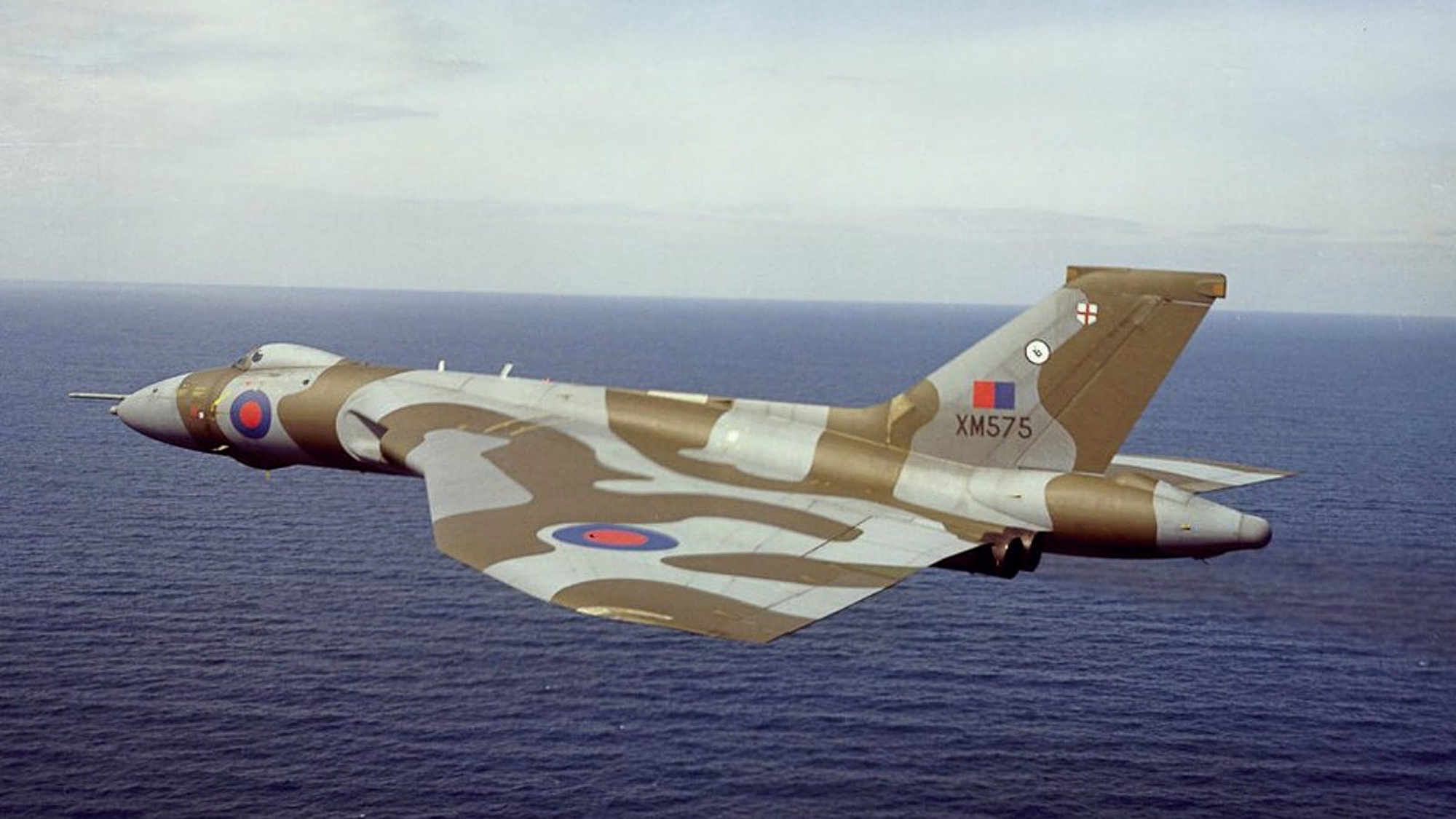
One of the defining characteristics of the Vulcan Jet is its distinctive delta-wing configuration. This revolutionary design improved aerodynamic efficiency while allowing the aircraft to maintain excellent performance at both high and low altitudes. The wing also contributed to the bomber’s graceful appearance, making it instantly recognisable wherever it flew.
Powered by four powerful Rolls-Royce turbojet engines, the aircraft achieved impressive speed and operational range. It carried a crew of five who operated sophisticated navigation, communication, and bombing systems that were highly advanced for their time. These technical innovations enabled the Vulcan to remain effective throughout several decades of military service.
Military Role and Operational Service
The Vulcan Jet played a vital role in Britain’s nuclear deterrent during the height of the Cold War. Its ability to carry strategic weapons over vast distances provided an important layer of national security and contributed significantly to NATO’s defensive strategy. The aircraft stood ready around the clock, reflecting its importance within Britain’s military planning.
As military strategy evolved, the Vulcan successfully transitioned into conventional bombing missions. Its most famous operational deployment came during the Falklands War, when it participated in Operation Black Buck. These missions required extraordinary planning and aerial refuelling, demonstrating both the aircraft’s remarkable capabilities and the professionalism of its crews.
Why the Vulcan Jet Became an Aviation Icon
Few military aircraft have achieved the legendary status enjoyed by the Vulcan Jet. Its elegant silhouette, powerful engines, and unforgettable “Vulcan Howl” created an unforgettable experience for anyone fortunate enough to witness it flying. Air displays across Britain regularly attracted huge crowds eager to see this engineering masterpiece perform.
The aircraft also symbolises Britain’s ability to produce world-class aerospace technology during a period of intense international competition. Beyond its military achievements, the Vulcan inspired generations of engineers, pilots, and aviation enthusiasts. Its lasting popularity reflects both its technical brilliance and its unique place in British history.
Preservation and Museums
Although the Vulcan is no longer in military service, numerous examples have been preserved in museums throughout the United Kingdom. These aircraft allow visitors to appreciate the impressive scale, engineering, and craftsmanship that made the bomber so successful. Museum exhibitions also provide valuable insights into the aircraft’s operational history and its contribution to national defence.
Several preservation organisations continue working to maintain surviving aircraft for future generations. Restoration projects, educational programmes, and public exhibitions help ensure that the story of the Vulcan remains accessible to everyone. These efforts have transformed the aircraft into an important educational resource as well as a treasured historical landmark.
Legacy of the Vulcan Jet
The legacy of the Vulcan Jet extends far beyond its years of active military service. It remains one of the finest examples of British innovation, demonstrating how advanced engineering can shape both military capability and national identity. Historians frequently cite the aircraft as one of the greatest achievements of post-war British aviation.
Today, the aircraft continues to inspire documentaries, books, museum exhibitions, and aviation events throughout the UK. Enthusiasts admire its distinctive design, while engineers appreciate the groundbreaking technology that made it so effective. The enduring reputation of the Vulcan proves that exceptional aircraft can remain relevant long after their operational careers have ended.
Conclusion
The Vulcan Jet represents far more than a military bomber. It symbolises innovation, determination, and British engineering excellence during one of the most challenging periods of modern history. From protecting the nation during the Cold War to carrying out historic missions in the Falklands conflict, the aircraft demonstrated remarkable reliability and performance throughout its service.
Its legacy continues through preserved aircraft, dedicated museums, and the enthusiasm of countless aviation fans across the world. Whether admired for its distinctive delta wing, impressive operational history, or technological achievements, the Vulcan Jet remains one of Britain’s most iconic aircraft. Its remarkable story ensures it will always hold a special place in the history of military aviation.
Frequently Asked Questions
What is the Vulcan Jet?
The Vulcan Jet is the Avro Vulcan, a British strategic bomber developed for the Royal Air Force during the Cold War.
Who built the Vulcan Jet?
The aircraft was designed and manufactured by A.V. Roe & Company, better known as Avro.
Why is the Vulcan Jet famous?
It is famous for its delta-wing design, Cold War service, Operation Black Buck missions, and distinctive engine sound known as the “Vulcan Howl.”
Was the Vulcan Jet used during the Falklands War?
Yes. The aircraft carried out the famous Operation Black Buck bombing missions during the 1982 Falklands War.
Can you still see a Vulcan Jet today?
Yes. Several preserved Vulcan aircraft can be viewed in museums and aviation heritage centres across the United Kingdom.
Also Read: whixall