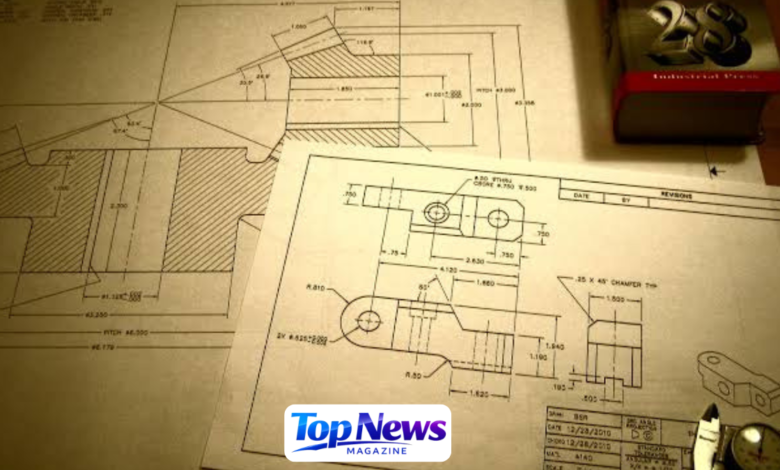
BS8888 is an important UK standard for technical product documentation, particularly within engineering, design and manufacturing environments. It provides a structured approach to presenting technical information clearly and consistently, helping different professionals understand drawings and related documentation. When technical information is organised properly, designers, manufacturers and inspectors can work from the same requirements, reducing confusion and supporting a smoother journey from initial concept through to finished product.
Modern engineering depends heavily on accurate communication. A drawing may contain dimensions, tolerances, symbols, notes and revision information that must all be interpreted correctly. BS8888 helps establish recognised practices for presenting this information, making technical documents more consistent and professional. Understanding its purpose is therefore valuable for engineers, CAD technicians, manufacturers, students and anyone involved in creating or interpreting technical product documentation.
What Is BS8888?
BS8888 is a British Standard that provides a framework for technical product documentation and the use of recognised engineering documentation practices. Rather than being limited to one type of drawing, it brings together principles that can help organisations manage technical information consistently. It is particularly useful where detailed product information needs to move between designers, engineers, manufacturers, suppliers and inspection teams.
One important feature of BS8888 is its connection with other standards used in technical documentation. Different aspects of engineering drawings may require specific rules covering dimensions, tolerances, symbols, terminology or presentation. By providing an organised framework, the standard helps users select and apply appropriate requirements. This makes technical documentation easier to understand and supports better communication throughout the engineering process.
Why Is BS8888 Important for Engineering?
Engineering drawings are more than visual representations of components. They communicate precise design requirements that may influence materials, manufacturing methods, measurements, assembly and inspection. BS8888 encourages consistency in how technical information is presented, helping users interpret drawings with greater confidence. Clear documentation can reduce misunderstandings, minimise production errors and make communication between different engineering teams more efficient.
The importance of consistent documentation becomes even greater when a project involves several departments or external suppliers. A manufacturer may receive a drawing from a design office and use it to produce a component without direct contact with the original designer. If the information is unclear or inconsistent, costly mistakes can occur. Applying recognised technical documentation practices helps create a dependable link between design intent and practical manufacturing.
Key Elements of BS8888

BS8888 covers a broad range of technical product documentation principles. These can include drawing presentation, technical terminology, symbols, dimensions, tolerances and document identification. Each element contributes to the overall clarity of an engineering document. The objective is to ensure that information is presented logically so that the intended reader can understand the product requirements without unnecessary uncertainty.
Technical documentation may also need to remain useful throughout a product’s lifecycle. Information created during design can later be required during manufacturing, inspection, maintenance or modification. Consistent documentation makes it easier to locate and interpret important details at each stage. For organisations managing large engineering projects, this structured approach can also support quality procedures and controlled document management.
BS8888 and Engineering Drawings
Engineering drawings provide a detailed method of communicating how a product or component should be defined. BS8888 supports consistent drawing practices so that views, sections, dimensions, annotations and other technical details can be presented in a recognisable way. This consistency is particularly important when drawings are shared between different organisations, where assumptions about drawing conventions could otherwise create unnecessary confusion.
A professional engineering drawing should communicate the design intent as clearly as possible. Every dimension, note and symbol should have a meaningful purpose, while unnecessary information should be avoided. Clear presentation allows manufacturers and inspectors to understand the requirements more efficiently. By applying appropriate conventions and supporting standards, engineers can produce documentation that remains useful long after the original design work has been completed.
BS8888 Dimensioning and Tolerancing
Dimensions are fundamental to technical drawings because they communicate the required size and location of features. Tolerances provide information about acceptable variation, which is essential because manufactured components cannot normally be produced to an infinitely precise measurement. BS8888 supports the consistent presentation of such technical requirements while relevant supporting standards provide detailed guidance for specific tolerancing practices.
Incorrect or incomplete dimensioning can cause significant problems during production. A manufacturer may be uncertain about a required measurement, while an inspector may not know which feature should be checked or what limits apply. Engineers should therefore ensure that dimensions are clear, appropriate and related to the intended function of the product. Good technical documentation communicates necessary information without creating unnecessary complexity.
Symbols, Lines and Drawing Conventions
Technical drawings use standardised symbols and line types to communicate information efficiently. Different lines can indicate visible edges, hidden features, centres or other important details, while recognised symbols can communicate technical requirements without lengthy explanations. Consistent use of these conventions makes drawings easier to interpret and helps different engineering professionals understand information in a familiar format.
Inconsistent drawing conventions can make even a technically accurate design difficult to interpret. Readers should not have to guess what a particular line or symbol means. Following recognised practices helps create predictable documentation and reduces the risk of misunderstanding. For engineers working on complex projects, this attention to detail can make technical communication considerably clearer and contribute to more efficient design and manufacturing processes.
Title Blocks and Revision Control
A title block is an essential part of a controlled technical drawing because it provides important identification and management information. Depending on the organisation and project, it can include the drawing title, drawing number, scale, revision information and approval details. Accurate identification helps ensure that users know exactly which document they are viewing and prevents similar drawings from being confused.
Revision control is equally important because engineering designs can change many times before production is complete. Every approved modification should be traceable so that outdated information is not accidentally used. A controlled approach to revisions supports quality and accountability, allowing teams to identify changes and work from the correct version. This is one reason structured technical documentation remains essential in modern engineering environments.
BS8888 in CAD and Digital Engineering
Computer-aided design has transformed the way technical drawings are produced, stored and shared. However, digital technology does not remove the need for consistent engineering documentation. CAD systems can make it easier to use templates, standard drawing settings and controlled formats, but the quality of the final document still depends on the engineer’s understanding of technical conventions and requirements.
Digital workflows also make revision management particularly important. Files can be copied, edited and shared rapidly, increasing the possibility of outdated versions being used accidentally. Organisations should therefore combine appropriate CAD practices with strong document-control procedures. Applying BS8888 principles within a digital environment can help teams produce technical information that remains clear, traceable and suitable for manufacturing and inspection purposes.
BS8888 and International Standards
Engineering projects frequently involve international suppliers, customers and manufacturing partners. As a result, UK professionals may work with British Standards alongside internationally recognised ISO standards. BS8888 provides a UK framework that works with relevant supporting standards, helping users apply appropriate technical documentation practices rather than treating British and international approaches as completely separate systems.
Understanding these relationships is particularly useful for businesses working across borders. A technical drawing may be created in the UK and then sent to a manufacturer elsewhere in the world. Consistent use of recognised standards can make the information easier to interpret. Organisations should always check the current applicable requirements and use the standards relevant to their particular project, industry and contractual obligations.
Who Uses BS8888?
BS8888 can be relevant to many professionals involved in technical product documentation. Mechanical engineers, design engineers, CAD technicians, manufacturing specialists, quality inspectors and technical authors may encounter its principles during their work. It can also provide useful knowledge for engineering students and apprentices who are learning how professional technical drawings are created and interpreted.
Businesses can benefit from a common documentation approach because engineering information is rarely produced by one person alone. Drawings may pass between design teams, purchasing departments, suppliers, production staff and inspection personnel. Consistent documentation helps these groups communicate more effectively. It also supports staff training because new team members can learn established procedures instead of relying on individual drawing habits.
Benefits of BS8888
One of the main benefits of BS8888 is improved consistency. When technical information follows recognised conventions, readers can understand drawings more easily and spend less time resolving uncertainty. This can contribute to smoother manufacturing processes, clearer inspection requirements and better communication between departments. Consistency is particularly valuable for businesses handling large volumes of technical documents.
Another benefit is stronger document management. Engineering information often needs to remain available for years, especially when products require maintenance, replacement parts or later modifications. Properly controlled documentation can preserve important design information and make historical changes easier to trace. This supports quality management while giving organisations greater confidence that engineers and manufacturers are working with reliable information.
Common Mistakes to Avoid
One common mistake is assuming that simply mentioning BS8888 on a drawing makes the document suitable or compliant. Technical documentation requires the correct application of relevant conventions and supporting standards. Engineers should check dimensions, tolerances, symbols, drawing presentation and document identification rather than relying on a general reference alone.
Another frequent problem is using inconsistent practices between drawings. If one drawing uses different conventions from another without a valid reason, users may become uncertain about how information should be interpreted. Outdated references can also cause problems. Regular technical reviews, approved templates and controlled standards can help organisations identify these issues before drawings are released for manufacture.
How to Apply BS8888 in a Technical Workflow
Applying BS8888 effectively begins with understanding what the technical document needs to communicate. Engineers should identify the product requirements, select the appropriate supporting standards and establish suitable drawing conventions. Dimensions, tolerances, symbols, notes and identification details can then be added systematically. This approach helps ensure that the finished document communicates design intent without unnecessary or conflicting information.
Before a drawing is released, a structured review should take place. The reviewer can check technical accuracy, dimensions, tolerances, revision information, references and overall clarity. Any changes should be properly recorded and approved. A controlled workflow helps prevent incorrect versions from reaching manufacturing teams and creates a reliable process for maintaining technical documentation throughout the life of a product.
BS8888 for Students and Beginners
For beginners, technical documentation standards can initially seem complicated because they involve many different conventions. A sensible learning path starts with basic engineering drawing skills, including views, scales, line types, dimensions and common symbols. Once these fundamentals are understood, learners can explore how different supporting standards contribute to professional technical documentation.
Practical experience can make the subject much easier to understand. Students can study real engineering drawings and identify their title blocks, dimensions, annotations, tolerances and revision details. Instead of memorising rules without context, learners should focus on understanding why each piece of information is included. This approach develops practical skills that can be transferred into CAD, manufacturing and engineering environments.
Practical Tips for Better Technical Documentation
Good technical documentation begins with consistency and attention to detail. Engineers should use approved templates, apply appropriate drawing conventions and check all critical information before releasing a document. Dimensions should be meaningful, tolerances should reflect genuine requirements and annotations should remain clear. A well-organised drawing can save considerable time because manufacturers and inspectors can find the information they need quickly.
Organisations should also provide suitable training and review procedures. Standards can evolve, projects can introduce additional requirements and employees may have different levels of experience. Keeping technical teams informed helps maintain consistent practices. Regular drawing checks, controlled revisions and access to current standards can strengthen the overall documentation process and reduce the risk of avoidable technical errors.
Conclusion
BS8888 plays an important role in supporting clear, consistent and professional technical product documentation in the UK. Its principles help engineers organise information such as drawings, dimensions, tolerances, symbols and revisions so that design requirements can be communicated effectively. This benefits not only designers but also manufacturers, inspectors, suppliers and other professionals who depend on accurate technical information.
Understanding BS8888 is therefore valuable for anyone involved in engineering documentation. Its effective use requires more than simply following a single set of drawing rules; it involves applying the relevant supporting standards and maintaining strong document-control practices. By combining technical knowledge with careful checking and consistent procedures, organisations can create documentation that supports accuracy, efficiency and reliable engineering communication.
Frequently Asked Questions
What is BS8888?
BS8888 is a UK standard that provides a framework for technical product documentation and engineering drawing practices.
Why is BS8888 important?
It helps engineers and manufacturers communicate technical information clearly, consistently and accurately.
Who uses BS8888?
Engineers, designers, CAD technicians, manufacturers, inspectors, technical authors and engineering students may use it.
Does BS8888 apply to CAD drawings?
Yes, its principles can be applied to digital and CAD-based technical documentation.
Is BS8888 mandatory?
Its use depends on project requirements, contracts, organisational procedures and applicable industry obligations.
What does BS8888 cover?
It covers technical documentation practices involving drawings, dimensions, tolerances, symbols, terminology and document control.
How does BS8888 improve engineering drawings?
It promotes consistent conventions that make technical drawings easier to understand and interpret.
Is BS8888 related to ISO standards?
Yes, BS8888 works with relevant international and ISO standards for technical product documentation.
Also Read: trestles