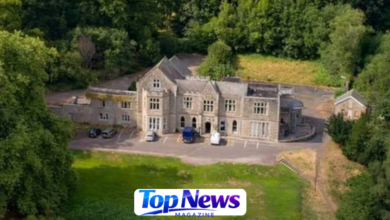
Midgham is a charming village and civil parish in West Berkshire, situated within the picturesque Kennet Valley. Although relatively small, the village has a fascinating combination of history, countryside, architecture and community character. Its location near Thatcham and Newbury makes it an interesting destination for anyone exploring Berkshire, while the surrounding waterways, rural landscape and historic buildings provide plenty of reasons to look beyond the larger nearby towns.
The story of Midgham reaches back through several centuries, with its development shaped by agriculture, religious traditions, historic estates and changing transport connections. Today, the village retains a peaceful rural atmosphere while remaining connected to the wider region. For visitors, local history enthusiasts and people researching Berkshire communities, Midgham offers an appealing glimpse into how a traditional English village has developed while retaining links with its past.
Where Is Midgham?
Midgham is located in West Berkshire, close to the towns of Thatcham and Newbury. The village sits within the Kennet Valley, an area known for attractive countryside, waterways and historic settlements. The River Kennet forms part of the parish landscape, while the Kennet and Avon Canal adds another important geographical and historical feature. This setting gives the village a distinctive character that combines rural scenery with convenient regional connections.
The location has also influenced the development of the settlement over time. Roads, railways and waterways have connected the local community with neighbouring places and wider parts of Berkshire. The A4 provides an important road link, while nearby railway connections offer another way of reaching surrounding towns. This accessibility makes the village particularly interesting because it provides the atmosphere of a rural settlement without being isolated from larger communities and essential services.
The History of Midgham
The history of Midgham is closely connected with the wider story of the Kennet Valley. The settlement was historically a chapelry within the parish of Thatcham before eventually becoming an ecclesiastical parish in its own right during the nineteenth century. Earlier religious activity in the area demonstrates that the community has longstanding roots, while agriculture and land ownership helped shape its physical appearance and social development across successive generations.
Historic estates were another important influence on the village. Midgham House and its associated lands formed part of the area’s story, reflecting the importance of country estates and influential landowners in rural Berkshire. Farming also remained central to the local economy for many years, with fields, pasture and woodland contributing to the traditional landscape. These layers of history help explain why the village remains a rewarding subject for anyone interested in local heritage.
St Matthew’s Church and Local Heritage
One of the most recognisable historic landmarks in Midgham is St Matthew’s Church on Church Hill. The present building dates from the nineteenth century and was designed in a Neo-Gothic style by architect John Johnson. Constructed using flint with Bath stone detailing, the church has a distinctive tower and spire. Its Grade II listed status reflects the architectural and historical value that it contributes to the local landscape.
The church also provides an important connection between the present community and earlier generations. Before the existing building was constructed, the area had an older chapel connected with the local estate and religious life. The development from an earlier chapel to the present church reflects broader changes in the organisation of English parishes during the nineteenth century. For visitors interested in architecture and history, the building offers an excellent starting point for understanding the village.
Midgham House and the Historic Landscape
Midgham House occupies an important place in the story of the village, particularly through its association with historic manorial ownership. The estate was connected with Erley’s Manor and later became associated with Stephen Poyntz, a prominent eighteenth-century diplomat. The property was improved during his ownership, reflecting the changing ambitions and architectural tastes of wealthy landowners during that period of British history.
Although the original house was eventually demolished during the twentieth century, its historical influence has not disappeared. The story of the estate provides valuable context for understanding the development of the surrounding parish and its landscape. Country houses often shaped local employment, agriculture and land management, and the history associated with Midgham House helps reveal how those forces affected communities across rural Berkshire.
Midgham and the Berkshire Countryside
The countryside surrounding Midgham is one of its most appealing characteristics. Fields, woodland, waterways and rural roads create a landscape that changes subtly with the seasons. The River Kennet contributes to the area’s natural beauty, while the nearby Kennet and Avon Canal adds a historic waterway environment. Together, these features provide a scenic setting that contrasts with the busier roads and larger settlements elsewhere in West Berkshire.
For those who enjoy walking, photography or simply exploring quiet rural landscapes, the area provides plenty of visual interest. Canal-side scenery, open fields and traditional buildings create opportunities to appreciate the character of the Kennet Valley at a slower pace. The countryside also helps explain why Midgham has maintained a recognisable village identity, despite the considerable changes that have taken place in transport, housing and local life over the years.
Midgham in Modern Times
Modern Midgham remains a relatively small community, but its position near Thatcham and Newbury gives it practical connections with the wider West Berkshire area. Residents can benefit from access to nearby shops, employment opportunities, schools and other services while living in a quieter setting. This combination of rural surroundings and nearby urban facilities is one of the qualities that gives the village its particular appeal.
Community life is also important to the modern character of the settlement. Facilities such as Midgham Village Hall provide a space for local gatherings, activities and social events, supporting connections between residents. Like many smaller English communities, the village continues to balance the preservation of its historic identity with the realities of modern life. Its future therefore depends on maintaining local character while responding thoughtfully to changing needs.
Things to See and Explore in Midgham
Visitors interested in heritage can begin their exploration with St Matthew’s Church and the historic surroundings of Church Hill. The church’s architecture, history and relationship with the earlier religious building make it especially worthwhile for anyone interested in Berkshire’s ecclesiastical heritage. Exploring the wider village also reveals traditional buildings, rural views and the subtle details that can easily be missed when travelling quickly through the area.
The waterways and countryside provide another reason to explore the area. The River Kennet and Kennet and Avon Canal form an important part of the local landscape, offering attractive scenery and opportunities for peaceful walks. Nearby Thatcham and Newbury can also be included in a wider itinerary, giving visitors the chance to combine a quiet village experience with the historical attractions, shopping and amenities available in larger nearby communities.
Midgham as a Place to Live
Midgham can appeal to people who appreciate traditional village surroundings and easy access to the countryside. Its rural character provides a noticeable contrast with larger urban centres, while its proximity to Thatcham and Newbury makes everyday life more convenient. The historic landscape, local community facilities and nearby waterways can all contribute to the sense of place that residents experience within this part of West Berkshire.
Transport is another practical consideration for people living in the village or nearby areas. The A4 offers a significant road connection, while the railway infrastructure in the surrounding area provides links towards other Berkshire destinations. The combination of transport access and countryside surroundings helps explain why small villages such as Midgham can remain attractive to people seeking a quieter lifestyle without wanting to be too far from larger employment and service centres.
Local Community and Village Character
The character of Midgham is shaped by more than its historic buildings and beautiful surroundings. Community activity plays an important role in maintaining a sense of identity, particularly in a smaller settlement where shared spaces and local organisations can bring people together. Village facilities can support meetings, celebrations and activities, helping preserve social connections and ensuring that the community remains active rather than simply becoming a collection of residential properties.
Planning for the future is equally important to the village’s identity. Midgham Parish Council has been involved in neighbourhood planning, providing an opportunity for local priorities to influence future development. Such planning can help balance new housing and changing infrastructure with the preservation of countryside, heritage and village character. This is an important consideration for many historic communities across Berkshire as they seek to accommodate modern requirements without losing the qualities that make them distinctive.
Midgham and Nearby Berkshire Places
Midgham benefits considerably from being close to several established Berkshire communities. Thatcham is nearby and provides a range of everyday facilities, while Newbury offers a broader selection of shops, businesses, cultural attractions and leisure opportunities. This relationship means that residents and visitors can enjoy the tranquillity of a village environment while still having access to the facilities normally associated with larger towns.
The surrounding area also provides opportunities to discover more of the Kennet Valley. Exploring nearby villages, waterways and countryside can reveal a broader picture of Berkshire’s heritage and landscape. For visitors, combining Midgham with nearby destinations can create a rewarding day of exploration, particularly for those interested in traditional architecture, local history, canals and the natural scenery that surrounds this attractive part of southern England.
Why Midgham Is Worth Discovering
Midgham demonstrates how a small English village can contain a surprisingly rich historical story. Its church, former estate, waterways and countryside each reveal a different part of its development. Religious history explains one aspect of the settlement, while agriculture, land ownership and transport illustrate other influences. Together, these elements create a village that is much more than simply a residential community within the Berkshire countryside.
Another appealing quality is the relationship between the historic and modern village. Traditional landscapes and heritage buildings remain visible, while contemporary community facilities and future planning show that the settlement continues to evolve. Midgham therefore offers a balanced picture of rural Berkshire, where the past remains important but does not prevent the community from looking ahead and adapting to changing circumstances.
Conclusion
Midgham is a fascinating West Berkshire village where heritage, countryside and community come together naturally. Its historic church, connection with Midgham House, relationship with the River Kennet and proximity to the Kennet and Avon Canal provide plenty of material for anyone interested in local history. At the same time, nearby Thatcham and Newbury ensure that the village remains connected to the wider region.
For visitors and residents alike, Midgham offers a quieter perspective on Berkshire’s character. Its history can be discovered through architecture and landscape, while its modern community demonstrates how traditional villages continue to develop. Whether the interest lies in historic buildings, rural scenery, transport history or local life, Midgham provides an engaging example of an English village with a strong sense of place.
Frequently Asked Questions
Where is Midgham located?
Midgham is a village and civil parish in West Berkshire, situated within the Kennet Valley. It lies close to Thatcham and Newbury and is surrounded by a mixture of countryside, waterways, residential areas and transport routes. Its position makes it an accessible location for people exploring the historic and natural attractions of West Berkshire.
What is Midgham known for?
Midgham is known for its historic village character, St Matthew’s Church, connections with Midgham House and its attractive setting near the River Kennet and Kennet and Avon Canal. The combination of heritage and countryside gives the settlement a distinctive identity and makes it an interesting place for people researching Berkshire’s history and rural communities.
What is the history of Midgham?
The village has longstanding religious and agricultural connections. Historically, it was a chapelry associated with Thatcham before becoming an ecclesiastical parish in the nineteenth century. Historic estates, farming and changing transport networks also influenced its development. The present landscape contains several reminders of these different stages in the area’s history.
What can visitors see in Midgham?
Visitors can explore St Matthew’s Church, appreciate the historic village surroundings and enjoy the countryside around the River Kennet and Kennet and Avon Canal. The nearby towns of Thatcham and Newbury also offer additional attractions and facilities, making it possible to include the village within a wider West Berkshire itinerary.
Is Midgham a good place to live?
The village may appeal to people looking for a quieter setting with countryside nearby while remaining within convenient reach of larger towns. Its community facilities and transport connections add practical benefits. However, whether it is the right place to live depends on individual requirements, including housing preferences, commuting arrangements, access to services and lifestyle priorities.
How close is Midgham to Thatcham?
Midgham is situated only a short distance from Thatcham, making the town an important nearby centre for residents and visitors. This proximity gives the village access to additional shops, services and facilities while allowing it to retain a more rural atmosphere. The connection between the two settlements is an important part of the area’s modern geography.
How close is Midgham to Newbury?
Newbury is also relatively close to the village and provides a wider range of commercial, cultural and leisure facilities. The journey between the two places makes it practical for people to experience both the peaceful surroundings of the village and the more extensive services available in Newbury.
What makes Midgham interesting for history enthusiasts?
The village offers several different historical themes to explore, including religious heritage, country estates, agriculture and transport. St Matthew’s Church is particularly significant, while the history of Midgham House provides insight into historic land ownership. The River Kennet and canal also demonstrate the importance of waterways in shaping the development of the wider region.
Also Read: paddy bonner